






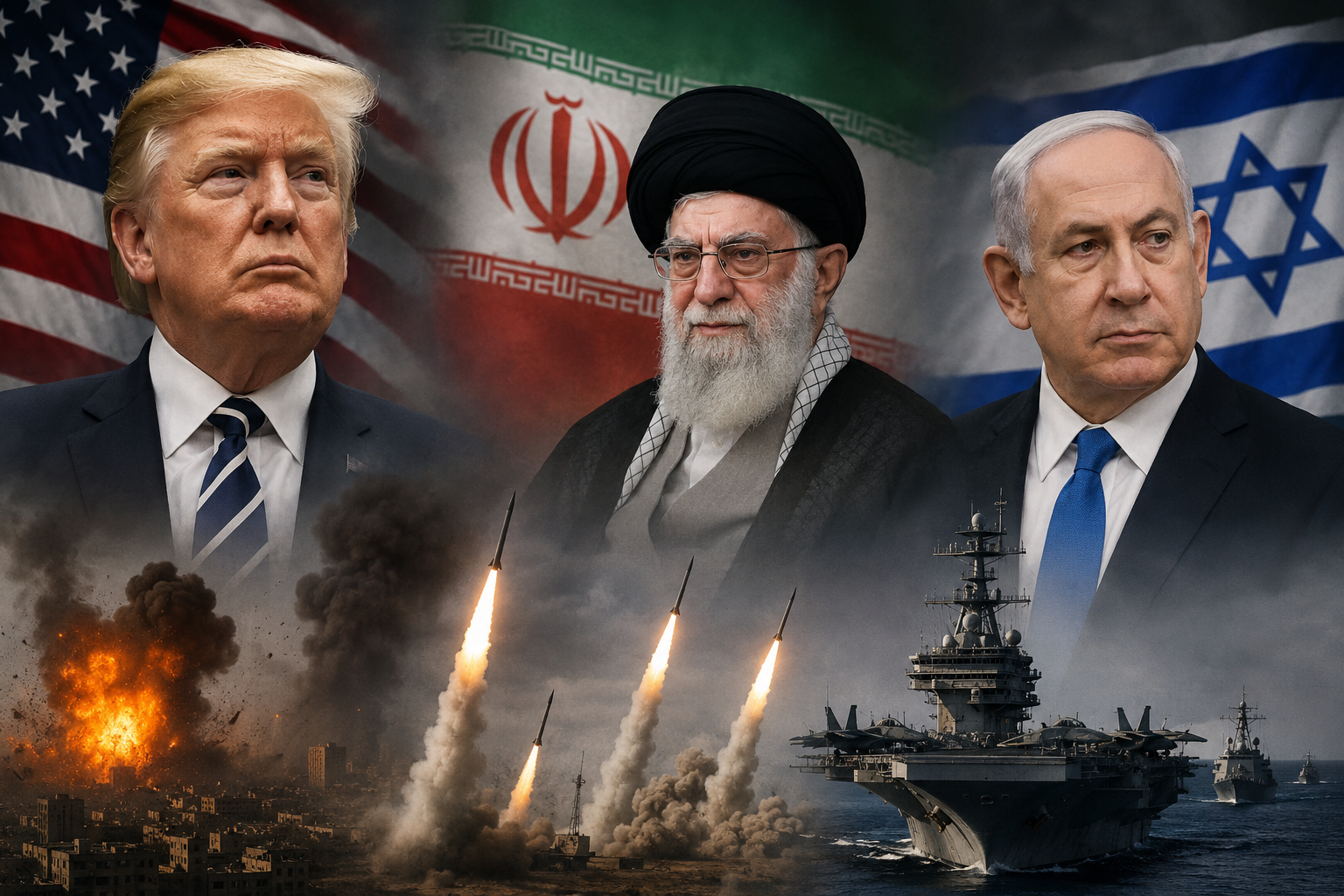
US-Iran War 2026 conflict is once again one of the most important geopolitical crises in the world. The Middle East has been the focus of world attention due to rising military tensions, ongoing ceasefire talks, disagreements over the Strait of Hormuz and renewed engagement from former U.S. President Donald Trump. Meanwhile, as the peace talks drag on, there is no clarity about whether peace can be realized, or whether the territory could see another big flare-up.
Recent events suggest that talks involving Washington, Tehran and regional powers are progressing to prolong ceasefire terms and avert a wider regional war. But differences over Iran’s nuclear ambitions and sanctions, military actions and control of strategic waterways remain a hurdle.
Why the Strait of Hormuz Matters
The narrow Strait of Hormuz, an important choke point that links the Persian Gulf with international shipping lanes, is one of the biggest concerns in the ongoing war.
A large part of the world’s crude oil and liquified natural gas is transported via the Strait of Hormuz. Any disruption in this region can have an immediate impact on global energy markets, oil prices, shipping costs and international trade.
The situation along the strait has been extremely hot over the last few months. The Iranian government and the Islamic Revolutionary Guard Corps (IRGC) have issued several threats to foreign shipping vessels and curbed the flow of shipping at sea. Commercial vessels have also been advised to go out of their way to gain the necessary permission to enter some areas in and around the strait, reports have suggested.
International shipping firms and maritime security authorities have urged ships to be extremely cautious in the area because of fears of mines, military ships, drones and possible naval clashes.
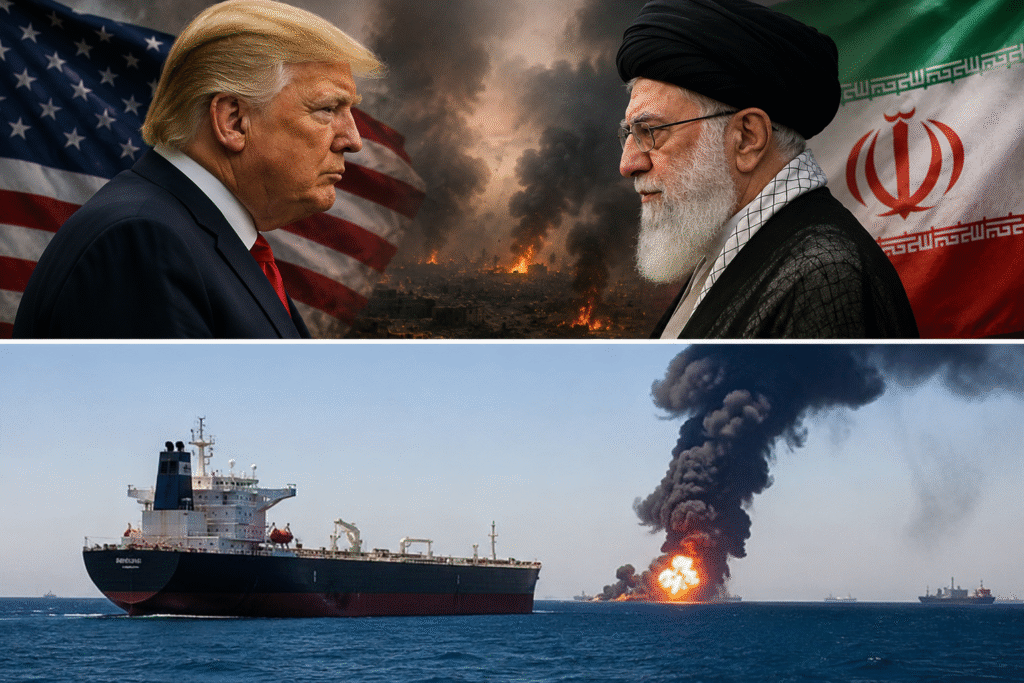
The role of Donald Trump in the crisis.Donald Trump’s part in the crisis.
Donald Trump has become a major player in the current negotiations with Iran. The Trump administration has reportedly been engaged in negotiations on ceasefire extensions, sanctions and long-term security plans for the Gulf.
Trump has met with multiple high-level meetings with national security advisers to decide if the current ceasefire deal should be extended, according to recent reports. The White House has consistently placed the necessity of adhering to American security conditions and “red lines” on any possible deal.
At least a couple of changes have occurred in recent developments that indicate that some new peace proposals have been exchanged between Washington and Tehran. These proposals are said to contain tougher terms on Iran’s nuclear program, its enriched uranium reserves and the future of the Strait of Hormuz.
Trump has also made it clear that freedom of passage through the Strait of Hormuz is an important goal for the United States and its allies. The issue continues to be one of the most sensitive aspects of the negotiations.
The conflict has intensified and the ceasefire talks have been ongoing.
The framework of the current ceasefires was instituted to help defuse the situation and provide room for a peace process. But several accidents have led to some doubts on the stability of the agreement.
Despite the continued negotiations, several reports suggest violations and military exchanges have taken place. The fragile truce has been tested with missile launches and drone attacks, and retaliatory strikes, numerous times. The security situation in the Middle East remains under the influence of regional actors such as Israel, Hezbollah and Iran-backed groups.
The United States has insisted that any ceasefire extension be accompanied by assurances of maritime security and nuclear curbs and regional stability. Meanwhile, Iran says that any comprehensive settlement will include sanctions relief and recognition of its security concerns.
The next few weeks may decide the course of action for peace talks and whether they will be succeeded by military conflicts.
Iran’s stand on Strait of Hormuz
The Strait of Hormuz is an essential part of Iran’s national security policy. The Iranian government has always insisted that its military deployment in the area is defensive, and it is required for the protection of national interests.
Iran has threatened to impose restrictions on maritime traffic at different points of the conflict. The country has also protested against foreign intervention in the waters of the region.
Iran’s sovereignty and role in the region has been consistently emphasized by the Iranian authorities in any agreement regarding the Strait of Hormuz. Concurrently, Western governments have stated that international waterways are vital to world trade and that they must be kept open.
These divergent views persist in working against the negotiations and growing uncertainty over the future of shipping operations.
The region’s security concerns and Israel.
US-Iran War 2026 conflict is related to the overall regional security issues between Israel and Lebanon.
The conflict in Israel and the presence of the Hezbollah in the region have been further sources of instability.The war in Israel and the presence of Hezbollah have been additional sources of instability. Lebanon’s security forces have been reported to have been renewed, leading to international observers to worry about the renewed conflict, while ceasefire talks are ongoing elsewhere in the region.
Israel continues to be worried about Iran’s regional reach, its missiles and support for ally groups in the Middle East. The issues remain central to Israeli security policy and have been at the core of U.S. involvement.
In addition to the US-Iran relationship, military analysts say any long-term peace proposal has to take into account the broader web of regional conflicts related to the crisis.
Impact on Global Oil Prices
The most obvious repercussions of the US-Iran War 2026 confrontation have been fluctuations in the global oil market.
Whenever tensions increase around the Strait of Hormuz, investors become concerned about possible supply disruptions. This is an important oil corridor, with a large share of global oil exports going via it, so small disruptions can have global impact on oil prices.
Crude prices have been on the rise after renewed military operations by Iran-backed groups and regional conflicts, recent reports show. The market is closely watching the situation as extended instability could lead to further pressure on global energy supplies.
Rising oil prices are especially threatening to countries that are highly energy dependent. Higher fuel prices can have a impact on transport, production, prices and the economy in lots of areas.
Impact on India and Global Trade
India is one of the countries keeping a close watch on the Middle East developments, as the country is highly reliant on imports of crude oil.
A disruption in the Strait of Hormuz could lead to higher transport costs, insurance premiums, and fuel prices. Indian policymakers have already taken measures to mitigate the possibility of disruption in the supply chain and lessen the impact of energy market volatility.
In addition, if the tensions persist there could be problems with the world trading system. Vessels might have to reroute and this could result in duration and cost increases for shipping companies.
The economic impact is a concern for those in the logistics, manufacturing, aviation and international trade sectors.
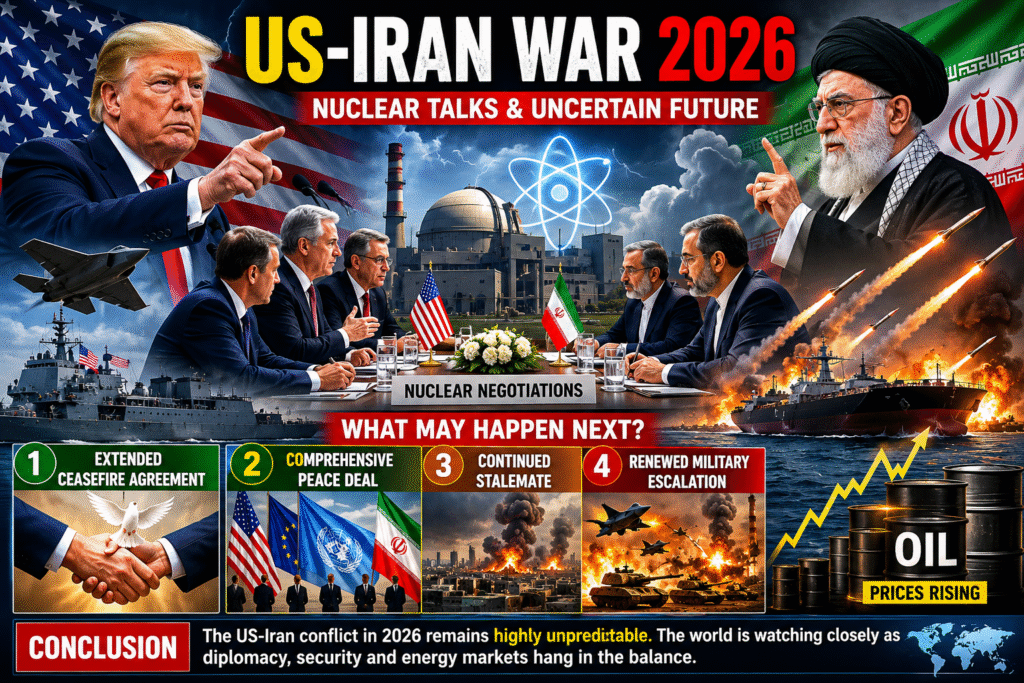
Nuclear negotiations continue to be a key sticking point.
Another critical issue in the ongoing talks is Iran’s nuclear program.
The US and its allies still want more uranium enrichment and nuclear activity restrictions. Iran insists its nuclear facilities are peaceful and has spurned demands that it says are unfair or one-sided.
The recent reports indicate that talks have been rich with discussions about enriched uranium stockpiles, inspection processes, sanctions relief, and verification arrangements. These are still some of the toughest parts of the talks.
If other peace talks are to have a future success, experts say they will need to see progress on the nuclear front.
What May Occur Next?
US-Iran War 2026 In the next few weeks, there are a number of scenarios that might play out:
1. Extended Ceasefire Agreement
Negotiators may be able to hammer out a temporary resolution that would extend the ceasefire and give them more time for diplomatic talks.
2. Comprehensive Peace Deal
A more comprehensive deal on nuclear issues, sanctions, regional security, and shipping could pave the way to long-term stability.
3. Continued Stalemate
Negotiations can be protracted with little real progress, so that the situation remains uncertain and military clashes occur from time to time.
4. Renewed Military Escalation
Military clashes could escalate if negotiations fail, posing a risk to regional security and world energy markets.
Conclusion
As of 2026, the US-Iran War 2026 conflict is still one of the most significant international events of the decade that has significant implications for global security, energy markets, and diplomatic relations. The future of the Middle East is still influenced by the Strait of Hormuz crisis, the still on-going ceasefire negotiations, Donald Trump’s presence, Iran’s nuclear program and tensions between Israel and Lebanon.
Diplomatic efforts continue but it’s very unpredictable at this point. The rest of the world, including governments, business and energy markets, are keenly watching every move. The outcome of ongoing talks may impact on other parts of the Middle East, as well as the international security and economic environment.