




The CBSE Controversy
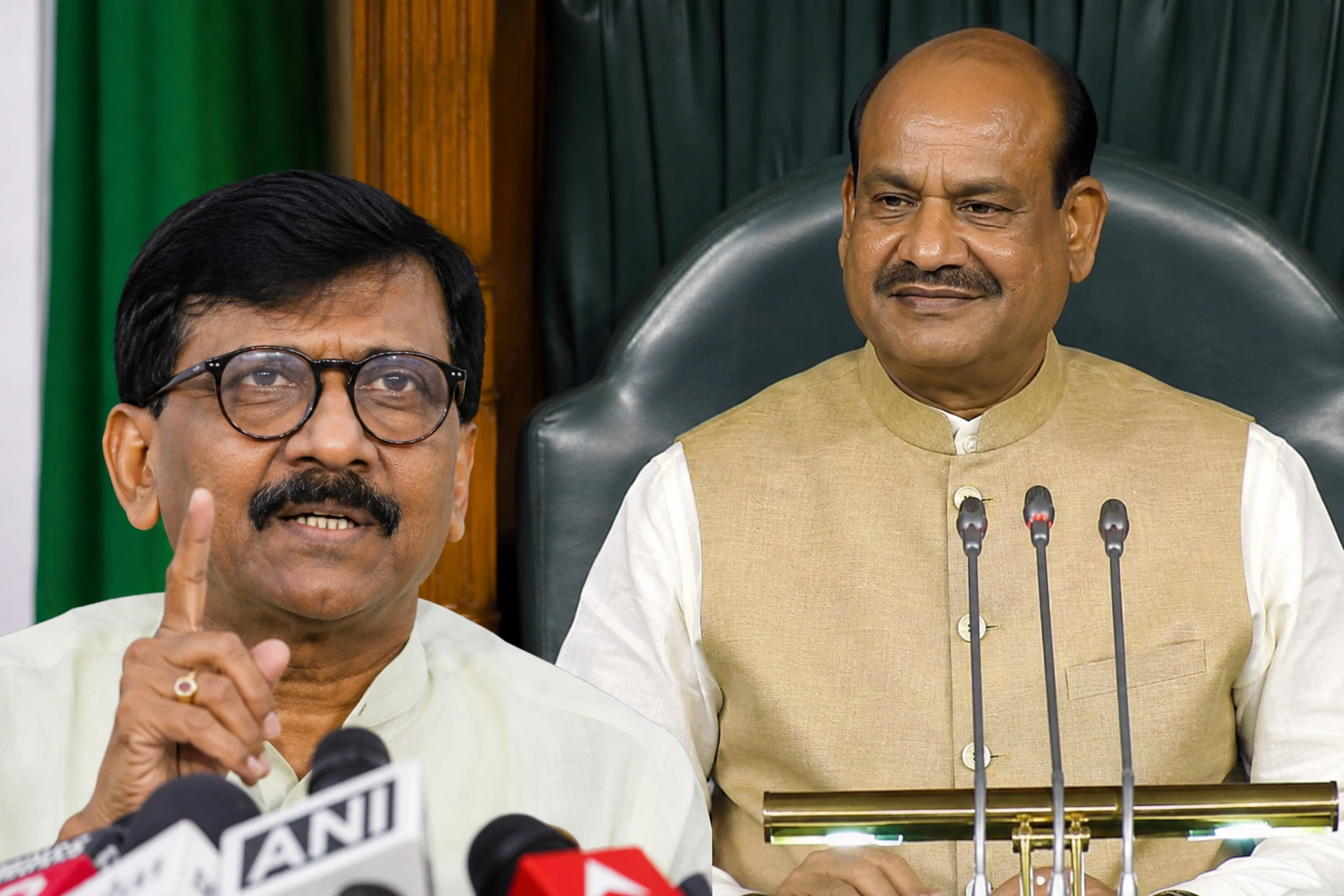
The CBSE Controversy has recently come that led to a nationwide debate on the issue of On-Screen Marking (OSM) for conducting the evaluation of digital answer sheets. The issue came to the fore when Congress chief Rahul Gandhi openly raised doubts on transparency and asked for accountability from the concerned authorities.
This dispute has now become one of the most talked about education-related issues in the country, with students, parents, teachers and political leaders voicing their views on the validity of digital evaluation systems used in board exams.
The center of the debate is due to alleged discrepancies in the answer sheets, concerns about transparency and doubts about the private agency involved in the evaluation process. The debate has been ramped up on social media and other news outlets, while CBSE has vehemently refuted all claims and supported its education system.
This article details the whole controversy, the claims put forward by the students and political leaders, CBSE’s response and what it means for the Indian education system.
CBSE OSM System is what?
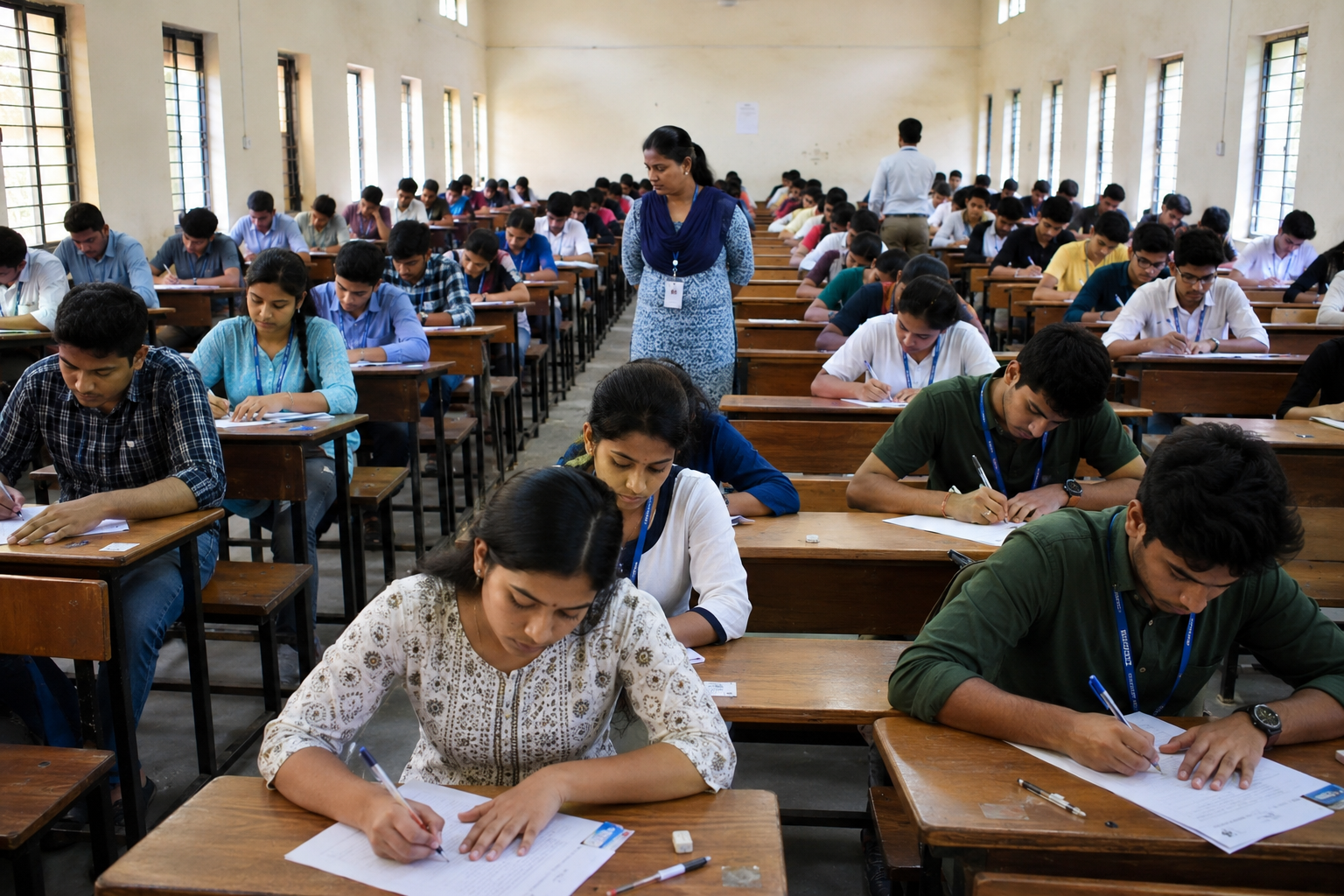
On-Screen Marking (OSM) is a digital marking system adopted by CBSE for the checking of the answer sheet of Board examination. Answer papers are not sent physically to the examiners but are scanned and uploaded to a secure online platform where the answer papers are assessed online.
This system was launched by CBSE to enhance the efficiency, avoid manual mistakes, and expedite the declaration of results. The board has already indicated that digital evaluation is a way to help ensure consistency and helps facilitate monitoring during the process of checking.
Under this system:
Answer sheets are scanned following the students’ exams.
Digital copies are uploaded to a secure sharing site.
Answers are graded using on-line devices.
Marks recorded in electronic form.
The results are analysed within centralised software systems.
The system was meant to modernize examination evaluation, but there have been some complaints lately questioning the reliability of the process.
What triggered the Controversy?What started the Controversy?
The CBSE Controversy started after a small group of students in the class 12 appeared to have copied the answers in the answer sheets displayed during the verification process and had not fully written their answers in the exams.
Some pupils made allegations that:
Some pages were different in some way.
There were errors detected in the handwriting.
Answers were omitted and/or modified.
Expected level of performance was not reflected in marks awarded.
The allegations quickly made their way to social media and screenshots, videos and student testimony were soon public.
Parents and students inquired with CBSE about how such discrepancies can happen in a very secure digital system.
The situation worsened when the students who were preparing for college admission and entrance examinations had apprehensions regarding the effect of wrong marks on their academic future.
The issue is compounded by social media.Social media worsens the issue.
The CBSE evaluation controversy began trending on social media with hashtags starting to grow as complaints grew. Students started to report personal experiences, screenshots of answer sheets and misalignments in evaluations.
There were many social media users asking:
The level of security for digital evaluation systems.
If appropriate verification procedures are in place.
How scanned answer sheets are safeguarded against technical difficulties.
Reliability of the third party agencies involved in the system.
Soon, the discussion with individual students’ complaints was broadened to transparency in the Indian education system.
Education influencers, coaching institutes, and student groups were also part of the discussion, calling for a more transparent and independent assessment of the evaluation system.
Rahul Gandhi Joins the Debate.
The matter went into the mainstream politics when Congress leader Rahul Gandhi attacked the government and CBSE on the matter.
Rahul Gandhi said that the issue wasn’t a mere technical glitch but a serious issue that had touched lakhs of students across the nation. He raised concerns about the company allegedly involved in the OSM process and doubted the transparency of the digital evaluation system.
During its public speeches, Gandhi declared that:
Transparency in the evaluation process is a right of the student.
There is confusion causing mental stress for parents.
The government needs to make clear the part to be played by the private agencies.
It will be advisable to carry out an independent investigation.
He also raised doubts about the agency in which he was involved being awarded the contract after past controversies with examination systems in other states.
This immediately sparked political debate, with one opposition party calling for answers from CBSE and the central government.
Concerns with the evaluation agency
With the controversy, one of the major issues is the private firm seemingly connected to the digital assessment system.
It was reported that the company involved in the process, based in Telangana, had already been criticized on other matters related to the exams. This prompted considerations of:
The company’s background.
It has a history of the work done in the field of educational technology.
The selection process used by CBSE.
If sufficient security measures were taken.
Students’ futures should not be left at risk because of potential administrative or technical oversight, opposition leaders said.
But there has been no official proof of any deliberate tampering yet from investigating authorities.
The CBSE has responded to the allegations
The CBSE vehemently refuted all the claims of the controversy and termed several of the claims going around as “misleading” and “factually incorrect.”
The board says:
The OSM system is strictly adhered to.
Various security measures are taken during scanning and assessment.
Proper procedures were followed while selecting agencies.
Complaints received by students are being taken seriously.
The CBSE also said that if there are isolated technical problems, it should not be taken as evidence of general tampering or manipulation.
The integrity and security of the board examination system is maintained and reliable, officials have said.
The board also asked students and parents not to panic and promised their concerns would be addressed through official complaint procedures.
What are the concerns of students?
Despite the allegations of irregularities being denied by CBSE, it has disturbed the minds and hearts of many students to a great extent.
Board examination results are very important in the following ways:
College admissions
Scholarship opportunities
Competitive examination eligibility
Career planning
Students worry that they might do something wrong on their assessments and that this will affect their future.
A lack of clarity at the verification process was another frustration mentioned by many parents. Some said that the system is too complex and hard for the common students to comprehend fully.
The incident has come at a time when the students are already stressed on the emotional aspect of the board exams.
Experts discuss Digital Evaluation Systems
Education professionals generally agree that evaluations conducted via data technology systems are efficient, and they think that they are a beneficial method of decreasing human error when used appropriately. They also note that, while any system may be flawless, there are no guarantees that it will not experience technical or administrative problems.
Academic experts say:
Quality scan is very crucial.
Data Security should be monitored at all times.
Verification systems should be open.
Redressal of grievances should be readily available for students.
Educational boards should regularly audit their digital systems, experts say, to ensure trust between students and parents.
In addition, some experts advised that the original scanned answer sheets have to be made more readily accessible to students for clarity.
Political Reactions Continue
After Rahul Gandhi’s remarks, multiple politicians spoke up regarding the controversy.
The opposition parties pointed out that the government had failed to take the concerns of students into consideration and called for a thorough inquiry into the issue.
Meanwhile, those supporting the government said that:
The debate was getting blown out of proportion.
Official evidence of mass tampering was not found.
In the modern education management, digital systems play a crucial role.
The debate on social media soon went into the polarization mode, with various groups supporting and opposing CBSE and political leaders.
The role of technology in the field of education.Technology in Education.
The debate has also reignited the debate on the growing reliance on technology in India’s education system.
Over the last few years:
Digital classrooms have grown.
There has been a rise in online exams.
AI systems for evaluating is being tested.
School management is now more technologically oriented.
Technology is fast and convenient, but transparency and accountability is more critical than ever in such systems, experts say.
Students and Parents have the following expectations of digital systems:
Secure
Accurate
Transparent
Easily verifiable
As evidenced in the current controversy, trust is a fragile thing when there is any uncertainty about educational processes.
Is there a better way to evaluate the Digital?
Several suggestions by education experts have been put forward for making digital evaluations better in the future.
Possible improvements include:
Improved quality control on scans.
Independent technical audits
Easy to access answer sheets with greater transparency.
Stronger cybersecurity systems
More efficient processes for processing grievances.
Evaluated by a third party during evaluation process
Some experts even suggest having a special area for student support which will enable the tracking of complaints in real time.
If such reforms can help in building confidence among the students and the parents, then these reforms are certainly helpful.
Impact on CBSE’s Reputation
CBSE is one of the biggest educational boards in India which conducts examination for millions of students each year. Controversies, no matter how small, are given national publicity due to its significance and scale.
The board has dismissed all the significant allegations, but this controversy has raised concerns about:
Transparency
Communication
Public trust
Digital accountability
The way CBSE deals with the situation over the next few weeks will have a tremendous impact on the public perception, experts feel.
Public Demand for Transparency
There is no doubt that one of the positive consequences of the controversy has been the demand for transparency in educational systems.
Today, students and parents are expecting:
Rapid resolution by authorities
Better communication
Clearer verification processes
Access to examination records is made easier.
The discussion has demonstrated that students have a growing awareness of their rights and are ready to ask questions about academic processes.
This can help make an open and accountable educational institution in the future.
Conclusion
The controversy over the CBSE Class 12 OSM has turned into a nationwide topic of discussion regarding education, technology, transparency, and politics. Even as CBSE has stuck to its guns on the Digital Evaluation process, and denied any claims of large-scale cheating, the complaints of the students and their parents have raised pertinent questions on accountability in the current generation of the exam process.
Rahul Gandhi’s involvement got the political focus on the issue but a bigger question is the trust given to the examination processes that have direct impact on students’ future.
With authorities looking into complaints and responding to public concerns, the controversy is expected to serve as a landmark in the regulation and enhancement of digital evaluation systems in India.
The rest of the nation continues to await clarity, fairness, and transparency in one of the nation’s most important educational systems, as students and parents watch closely.