


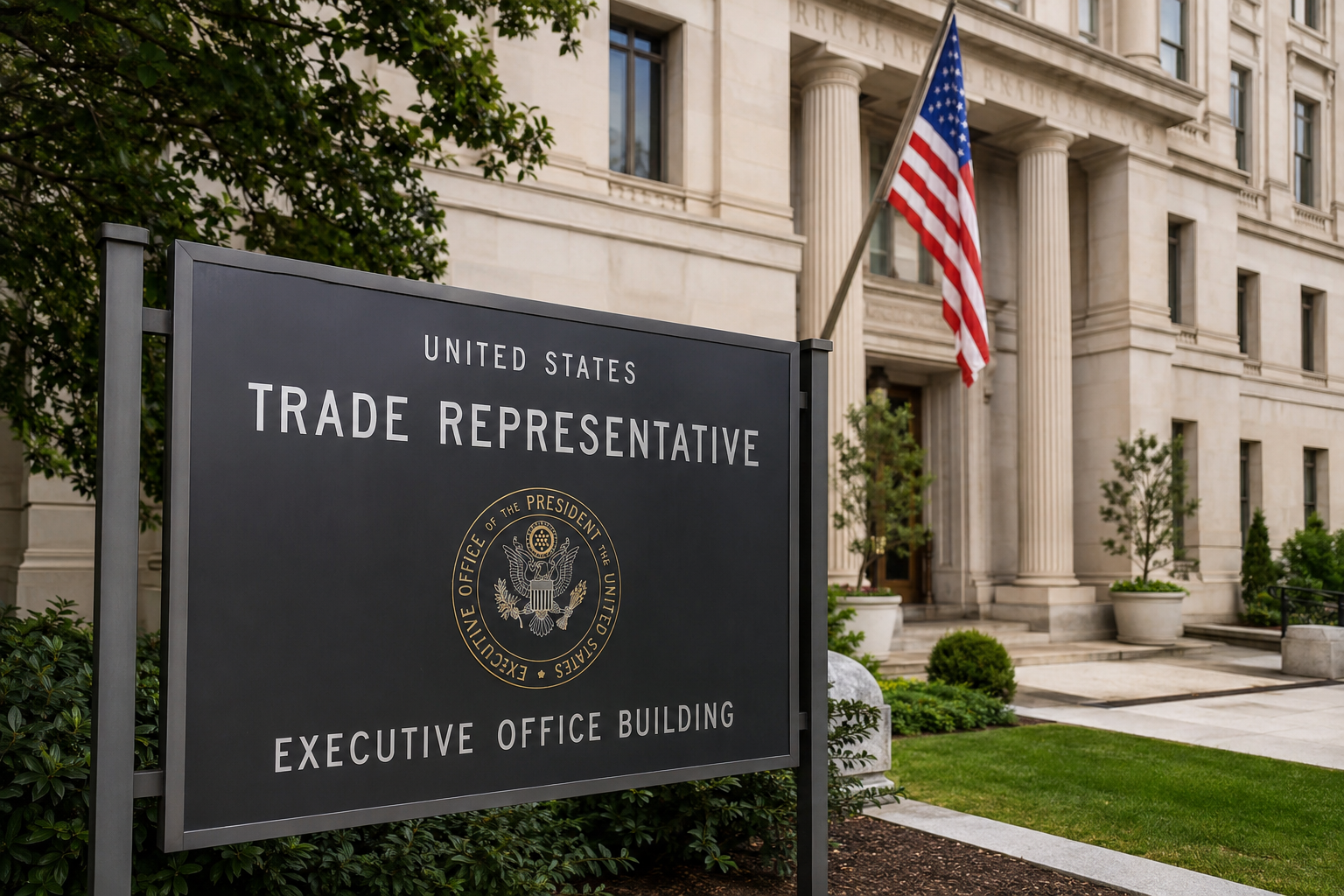
U.S. Trade Representative (USTR) . After discovering the forced labour practices in global supply chains by the world’s largest trade investigation, the United States, U.S. Trade Representative (USTR) has proposed more restrictions on imports from India and dozens of other countries. The move has sparked concerns among exporters, businesses, and policymakers as it could significantly impact international trade relations and ongoing negotiations between the United States and several major economies.
U.S. Trade Representative (USTR) . finds that India is one of 54 countries that could be subjected to a 12.5% duty on goods coming to the U.S. market. The proposal is based on a Section 301 investigation under the U.S. Trade Act of 1974 that was conducted to determine if countries have made adequate efforts to prevent goods made with forced labour from entering the United States.
What is the USTR Proposal?
The USTR said it has finished investigations on 60 economies around the world. The agency decided that the governments of many countries have not taken sufficient measures to ban or implement restrictions on goods made with forced labor. Washington’s response has been to offer to implement further 10% to 12.5% duties on goods from countries covered by the tariffs.
As per the plan, some countries will be subject to a 10 per cent extra duty, while others, including India, will be charged at a higher rate of 12.5 per cent. The tariffs are not finalized and will go through a public consultation before finalization.
The USTR says that nations that fail to take sufficient steps to prevent forced labor in their supply chains are engaging in unfair competition with American workers and businesses. U.S. officials say goods produced with forced labor “are often sold in the global marketplace at lower prices because their production costs are artificially lowered.
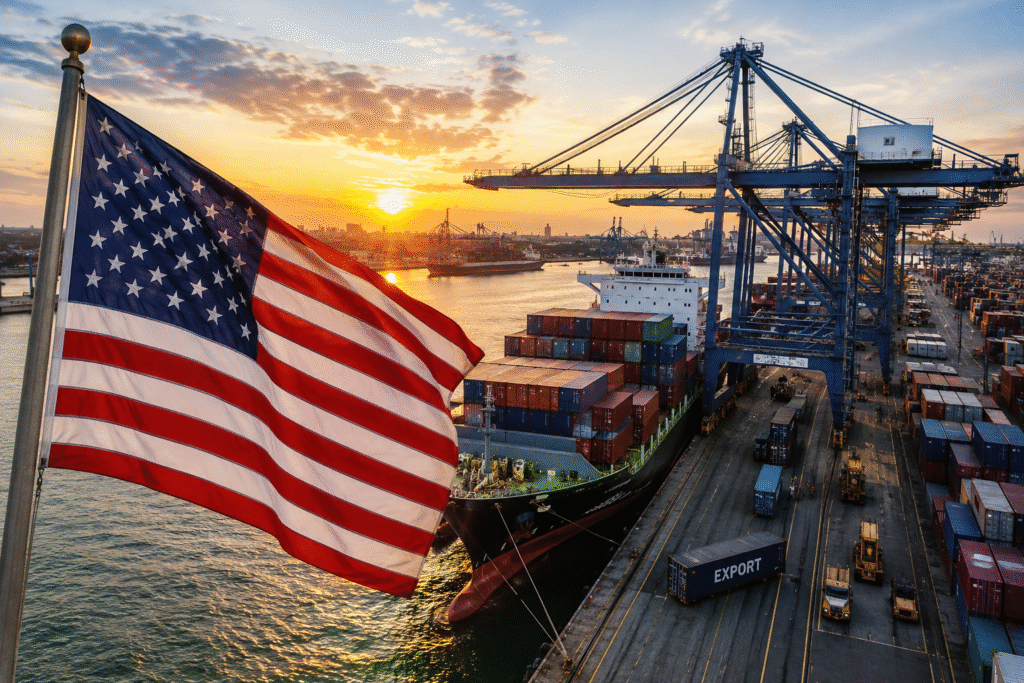
Understanding Section 301 Investigations
This action is pursuant to Section 301 of the U.S. Trade Act of 1974. This law permits the U.S. government to investigate and take action on foreign trade practices that it finds unfair, discriminatory or detrimental to U.S. trade.
The history of the use of Section 301 dates back to trade disputes that involve intellectual property rights, market access barriers, industrial subsidies and other matters related to trade. It has been one of the most effective trade enforcement measures in recent years for Washington.
In March 2026, the USTR initiated investigations into 60 countries to assess if governments are taking enough steps to prevent forced labour products from being imported. Some of the largest trading partners and economies of America’s imports were investigated, and these economies account for the vast majority of U.S. imports.
Why has India been included?
Forced labour is not necessarily widespread in India as such, as India has been included in the investigation. Rather, USTR’s inquiry was to determine whether countries have enacted and enforced such import restrictions on goods that are the products of forced labor — sourced anywhere in the world.
The United States says that failure to limit these products’ importation indirectly aids the perpetuation of forced labour in global supply chains. This worry is shared in several industries, such as textiles and apparel, electronics, critical minerals, and industries that depend on international sourcing chains.
It has been noted in the past that Indian Government has laws and pledges with international bodies to look after the rights of its workers. India has also expressed that the general issues of trade should be resolved through dialogue and cooperation between two countries instead of taking unilateral measures by imposing tariffs.
India-U.S. Trade Relations are affected by it.
It has an impact on India-U.S. Trade Relations.
The proposed tariffs are coming at a vulnerable moment when India and the U.S. are in negotiations to boost bilateral trade relations and finalize a wider trade deal. Both countries have been engaging in trade discussions, aiming to increase market access and reduce trade barriers.
The extra obligations may lead to higher prices for Indian exporters of goods in the U.S. market. The higher prices may put additional pressures on sectors like textiles, apparel, engineering goods, electronics and manufactured goods.
The proposal may make current trade negotiations more difficult, industry experts say. But U.S. tariffs may be reconsidered or modified if trade talks yield adequate results before existing tariff deadlines, some reports said.
The global nature of the investigation.
The scope of the investigation at global level . U.S. Trade Representative (USTR) proposal does not only impact India. The investigation focused on 60 economies, including some of the United States’ more important trade partners. The findings include countries from Asia, Europe, North America and Latin America.
The economies named are: China, Japan, South Korea, Brazil, Switzerland, Canada, European Union, the United Kingdom, Bangladesh, Pakistan and Southeast Asian countries. The wide range of investigation shows the growing attention given to labour standards by Washington in its trade policy programme.
The United States has insisted that the fight against forced labour is not just a human rights problem, but one of economic impact as well, due to the significance it has on fair competition in the international marketplace.
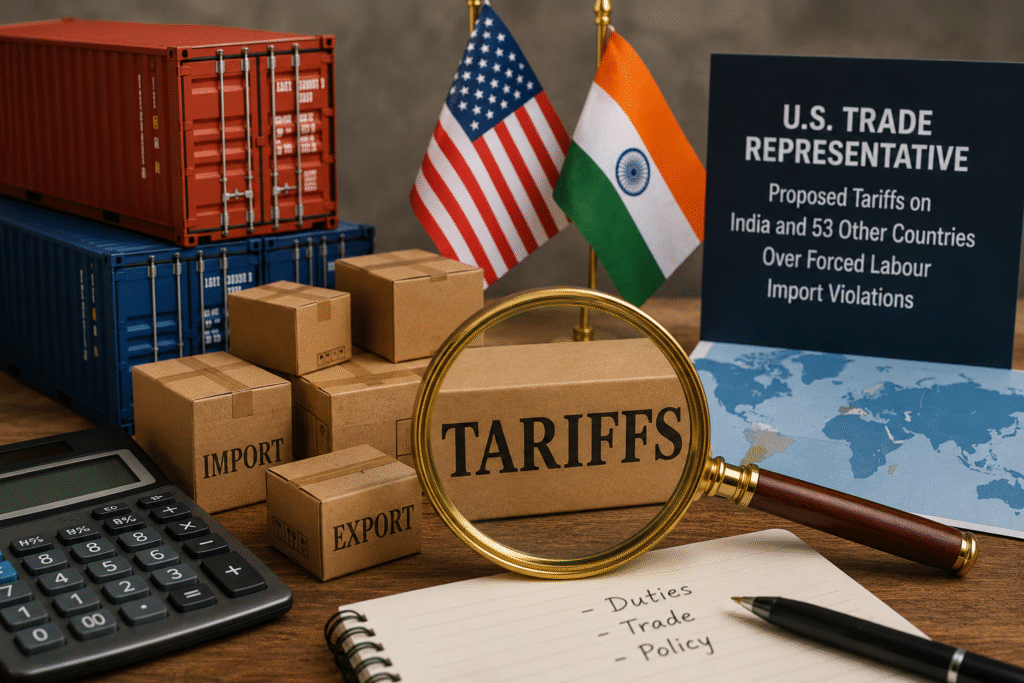
Products That May Be Exempt
While the proposal is quite long, the USTR has said that some specific categories of goods may be spared from the extra duties. Some of the exemptions could involve energy products, rare earth materials, pharmaceuticals, aircraft parts, agricultural commodities or industrial inputs deemed essential to the U.S. economy.
The exemptions appear an effort by Washington to work out a compromise between its trade goals and concerns over potential disruption to critical industries and supply chains.
Public Consultation Process
The tariffs proposed are subject to changes. USTR has initiated a public consultation period during which business, industry, governments and other stakeholders can submit comments on the proposed measures. The public will have an opportunity to comment until early July; a formal hearing is anticipated thereafter.
Affected countries and industries could consider submitting evidence, seeking exemptions, or offering alternative solutions during this time to tackle the issue of forced labour.
The consultation process is regarded as one of the most important, as it provides the policy makers with a chance to review the potential economic impact of the proposed duties before final decisions are made.
What Happens Next?
The next few weeks will be critical for India and the United States. The trade negotiators, exporters and policy makers will closely follow the consultation process and any developments of bilateral trade talks.
Affected exporters need to review pricing strategies, supply chain and market access plans as a result of the tariffs, if finalized. Costs and competition may rise for companies that have a high U.S. exposure. Meanwhile, governments can step up diplomatic attempts to solve trade issues and avoid further escalation.
Conclusion
U.S. Trade Representative (USTR) Proposes New Tariffs for India and 53 Other Countries for Forced Labor Import Ration Violation. announcement of new tariffs on India and 53 other countries is a major milestone in the international trade policy arena. The action follows the ongoing trend of Washington’s trade agenda that is increasingly focused on labour standards and supply chain accountability. The tariffs are subject to further review, but the plan has already garnered notice in international markets and among businesses that rely on global commerce.
In India, the development comes at a crucial stage of the trade talks with the U.S. It will be up to months of consultations, trade talks and policy decisions to determine if the proposed duties are implemented. As governments and industries take action, the question is sure to be a significant element of international trade and economic policy discussions in 2026.