




The U.S. and Iran are pushing tensions to the breaking point, with the Strait of Hormuz crisis, nuclear negotiations, and the impact on the world’s oil markets all playing a role.
The Middle East has once again come into the world spotlight with the current conflicts between the United States, Israel and Iran. The Strait of Hormuz is in the center of a lot of uncertainty in the international markets given the increased military activities, as well as the diplomatic discussions and threats that are taking place. The situation has also raised concerns about crude oil prices, petrol and diesel increases, and a potential escalation of geopolitical tensions.
Recent developments indicate that ceasefire talks and diplomatic talks are ongoing, but that there are serious differences, particularly on Iran’s nuclear programme and control of the Strait of Hormuz.
Iran says it will not back down from its stance on Strait of Hormuz issue.Iran has said it will not compromise on Strait of Hormuz issue.
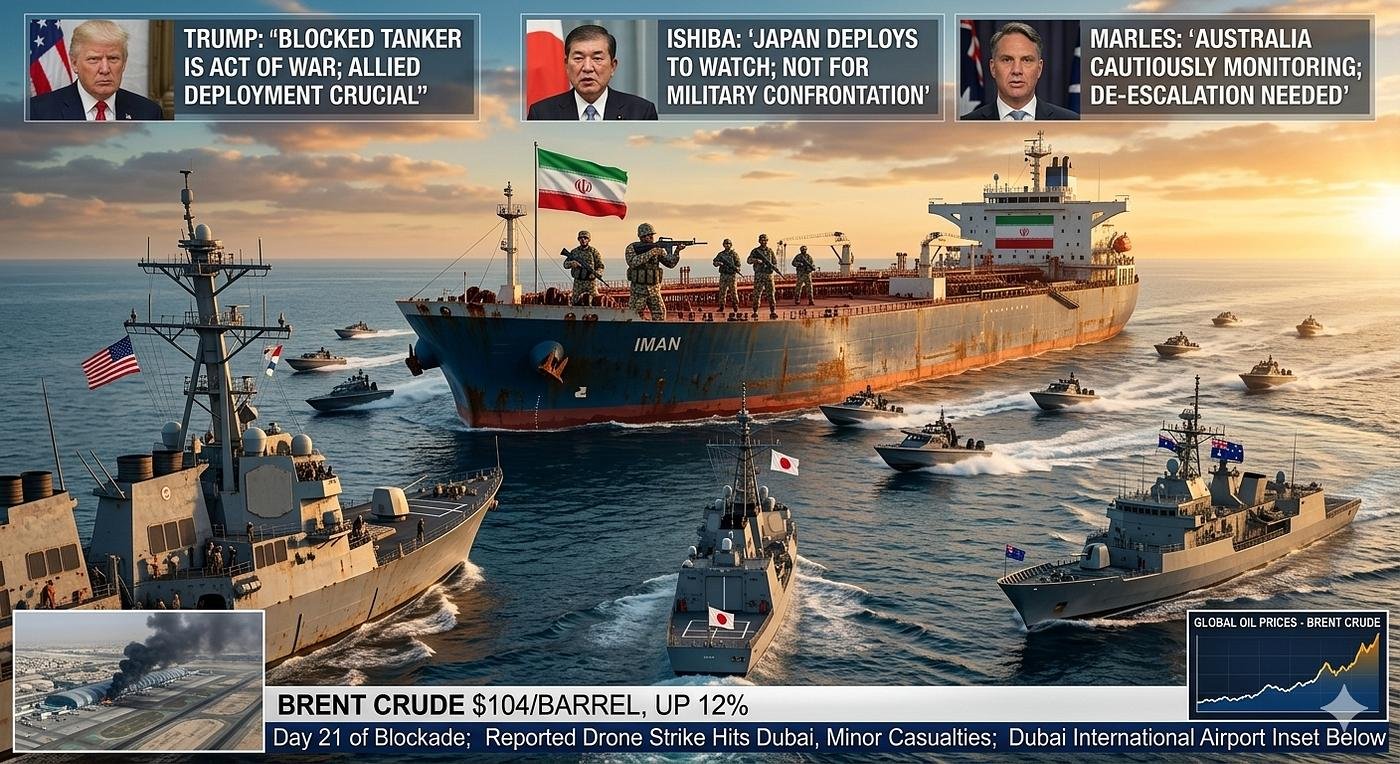
One of the flashpoints that has emerged in the current crisis is the Strait of Hormuz, one of the world’s key shipping lanes for crude oil. It is an important waterway for international trade and energy security, as almost 20% of global oil supply travels through it.
Iran has repeatedly said it will retain its control of the strait. Recently, Iranian military adviser Mohsen Rezaei stated that Iran has “legal rights” to control the Strait of Hormuz to the benefit of its national security interests.
But the U.S. has insisted on open lanes for shipping around the world. Washington is willing to engage in “very serious” talks for Iran to resume the Strait of Hormuz fully, said US Secretary of State Marco Rubio.
A key dispute that’s been a major obstacle to a final peace deal between the two countries is this one.
Peace Deal is Closer than ever, says Donald Trump.
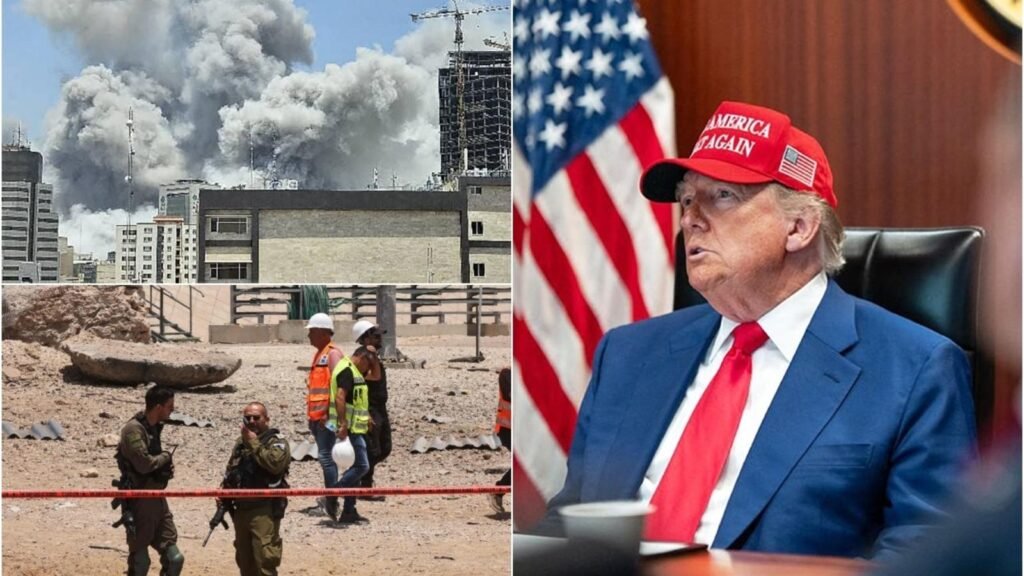
In recent comments, U.S. President Donald Trump has asserted that a more comprehensive peace deal with Iran has been “largely negotiated.” Reportedly, talks are underway with Saudi Arabia, Qatar, Bahrain, Turkey and Pakistan among the Gulf nations.
Trump also said that the U.S. is looking for “good and proper” deal, which is in contrast with the earlier nuclear deal made under the Obama administration. Iran, however, has denied several claims by the Americans, particularly those of free passage through Hormuz and nuclear restrictions.
Even as diplomats have expressed hope, experts say the talks are fragile, and could fall apart if either side objects to compromising.
The nuclear programme continues to be a big issue.
One of the primary worries of the U.S. and its allies regarding Iran is its nuclear program. Washington has charged Tehran of breaching international nuclear safeguards and increasing uranium enrichment without civilian purposes.
The latest review session of the Nuclear Non-Proliferation Treaty (NPT) reportedly failed to reach a consensus with the United States being critical of countries that refused to take note of the “threat to global nonproliferation” by Iran.
Iran, however, maintains its nuclear program is peaceful and says that the current ceasefire proposal does not include talks about nuclear enrichment.
This clash is adding to fears of a new Middle Eastern war.
Fuel costs are continuing to increase as oil prices do as well.
The battle is already taking a toll on interdependent global energy markets. Crude oil prices have moved from their undeniable lows to unprecedented times in recent weeks, as worries over potential disruptions in the Strait of Hormuz have been getting more intense. Also, shipping traffic continues to be volatile in the area and several oil tanker and LNG ships have experienced delays and rerouting.
In India, petrol and diesel prices have been reportedly hiked several times in the past few weeks, as a result of the surge in global prices of crude oil. Consumers, businesses and the transport industry are increasingly becoming concerned with fuel costs.
The experts advise that if the situation worsens or if the shipping lanes are closed, oil prices globally may skyrocket, impacting the world’s economies.
The World is shipping and trading under pressure.
The World is facing shipping and trade pressure.
The U.S. and Iran .
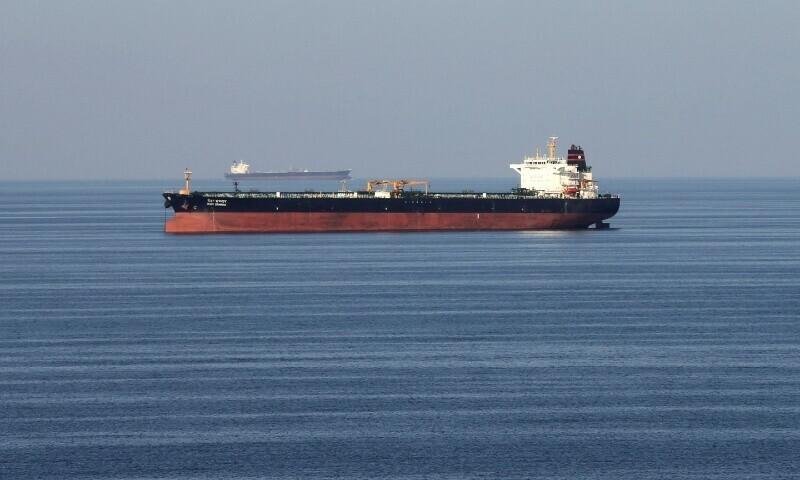
One of the world’s most vital sea crossings for commerce is the Strait of Hormuz. Oil exports are negatively impacted by any disruption, as would be LNG transport and global shipping.
Shipping companies are holding off on exiting the Gulf region due to months of uncertainty, but some LNG tankers have begun their departure there lately, reports say.
But many commercial operators are still awaiting better security assurances before their return to regular business. This uncertainty has driven up freight rates and given rise to concerns for Asian nations which are particularly vulnerable to the energy imports from the Middle East.
Ceasefire talks continued in the face of tensions in the region.Ceasefire talks carried on amid regional tension.
Gulf nations and Pakistan are reportedly playing a role of mediators between The U.S. and Iran . Diplomats are to work on a phased agreement to a ceasefire that eventually could be extended to peace talks.
One of the suggested plans involves opening the Strait of Hormuz and a lowering of military activity and a start of limited nuclear talks. But Iran has been clear that it doesn’t want to give up strategic command over the waterway.
The situation is very delicate, and it is believed that any kind of military incident, even the least, can get the negotiations off track.
## Israel’s Role in the Conflict
Israel continues to play a major role in the regional crisis. The Israeli government has consistently claimed it has the right to defend itself against threats from Iran and its affiliated militant groups.
The United States has been very vocal in backing Israel’s stance among other issues, including in the face of attacks by Hezbollah and other groups backed by Tehran in Lebanon and its neighboring areas
Military experts estimate that any significant escalation with Israel would result in a larger regional conflict with several countries across the Middle East coming into the picture.
The reaction was international and diplomatic pressure was applied.
The war has been watched closely by the powers that be around the world due to its likely economic and security implications. Gulf oil-importing nations like India, China, Japan and European countries are calling on both sides to refrain from any escalation.
International organisations are also worried about nuclear safety and energy supply shortages, as well as humanitarian consequences, should the conflict escalate further.
Meanwhile, uncertainty over Middle East stability and global crude oil supply chains has kept financial markets unsettled, as investors respond to the turmoil.
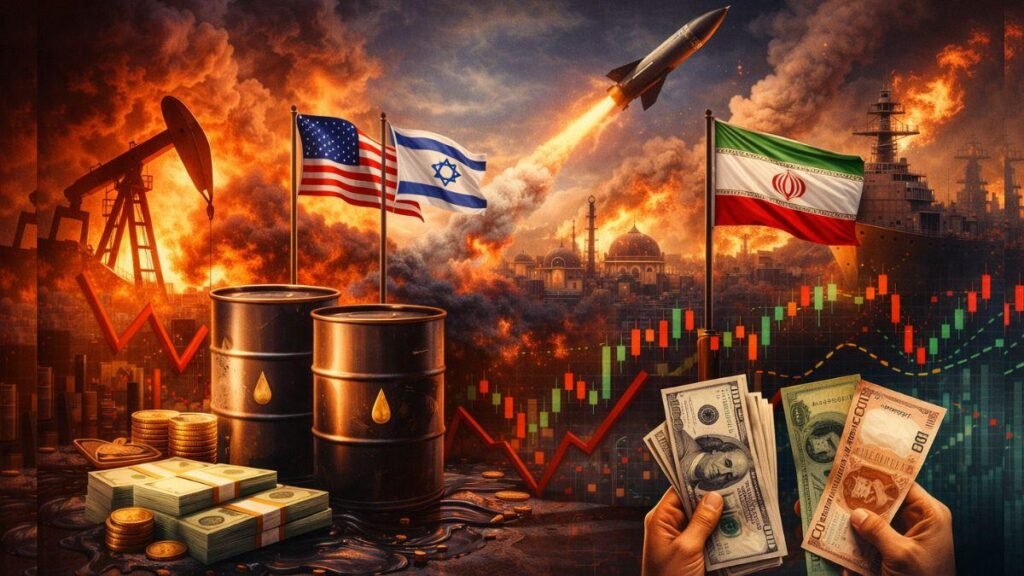
The future is uncertain, however, for both parties: Diplomacy or Escalation?
The next few weeks likely will be pivotal to the future of The U.S. and Iran conflict. But the fundamental disputes over nuclear enrichment and the control of the Strait of Hormuz that have kept them from a final deal are not yet resolved.
If negotiations are successful, international oil prices could remain relatively stable and shipping lines could be able to gradually resume their normal operations. But in the event that discussions fail, the region might become a hotbed of another perilous step of military escalation.
The world is closely watching as the United States, Iran and regional powers strive to navigate the delicate waters of diplomacy, security and economic considerations in one of the most tense geopolitical crises of modern history.