









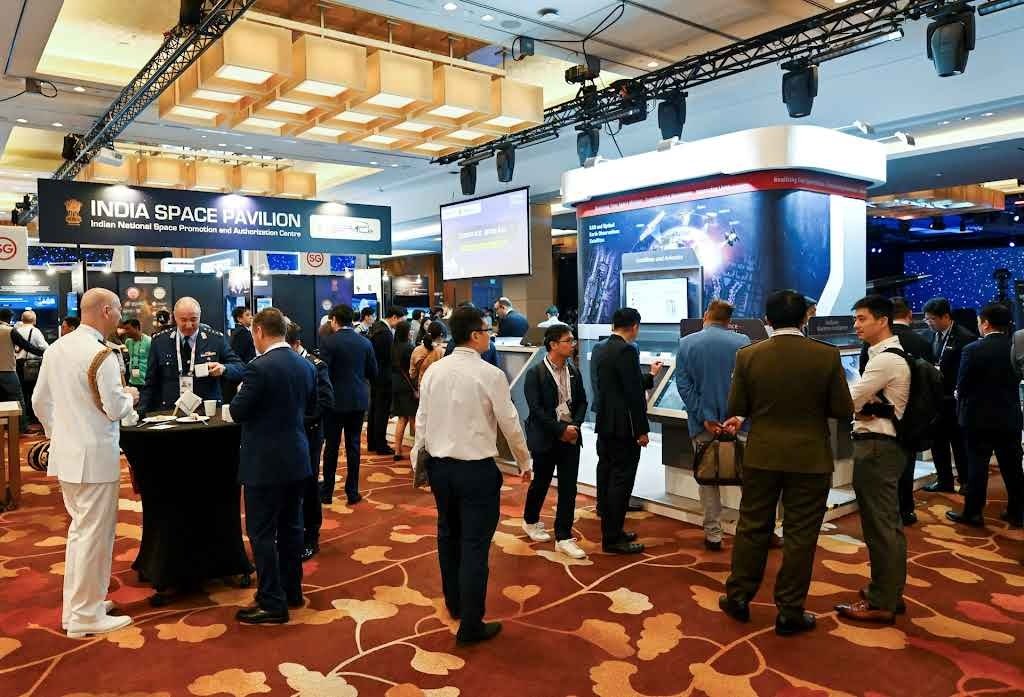
Singapore is preparing to enter a new phase of its technology and innovation strategy by launching a National Space Agency of Singapore (NSAS). The move comes as global investment in space technology continues to rise rapidly, creating new opportunities for countries to participate in the growing space economy.
The agency is expected to begin operations on April 1, 2026, under the Ministry of Trade and Industry, marking a significant milestone in Singapore’s scientific and industrial development.
Why Singapore Is Launching a Space Agency
The global space sector has been expanding quickly, fueled by demand for satellite services, Earth observation, communications, and navigation technologies. Governments worldwide are increasing investments to secure a share of this rapidly growing market.
Singapore aims to “fully harness the value and opportunities” of this expanding global space economy, according to official statements.
By establishing a dedicated agency, the country intends to coordinate research, industry partnerships, and regulations more effectively.
What the New Space Agency Will Do
The National Space Agency of Singapore will have several key responsibilities:
- Developing national space capabilities
- Supporting innovation and commercial space businesses
- Creating regulations and policies for space activities
- Strengthening international collaboration
These efforts are designed to help Singapore become a credible contributor to the global space ecosystem.
The agency will also build on existing programs to expand research and development in emerging areas such as climate monitoring, satellite technology, and microgravity research.
Singapore’s Growing Space Industry
Although Singapore is not traditionally known as a space-launch nation, it already has a growing ecosystem:
- Around 70 space-related companies operate in the country
- Approximately 2,000 professionals work in the sector
- Strong capabilities exist in advanced manufacturing, aerospace, micro-electronics, and AI
These strengths make Singapore well-positioned to specialize in areas such as satellite components, data analytics, and space-based services rather than rocket launches.
The Global Space Economy Is Expanding Rapidly
Analysts expect the global space economy to grow significantly in the coming decades, driven by:
- Satellite internet and communications
- Earth observation and climate monitoring
- Navigation and geospatial data
- Commercial space research
Estimates suggest the sector could reach trillions of dollars in value over the next decade, encouraging countries to invest early in infrastructure and research.
This surge in investment is one of the main reasons Singapore is accelerating its plans.
Strategic Benefits for Singapore
The new agency could deliver several long-term advantages:
- Economic growth through high-tech industries and startups
- Job creation in engineering, research, and data science
- Improved satellite data for urban planning, disaster monitoring, and environmental protection
- Stronger global partnerships in science and technology
Singapore’s position as a global business hub also makes it attractive for international space companies looking to expand in Asia.
What This Means for Asia’s Space Sector
Singapore’s move reflects a broader trend across Asia, where countries are increasing investments in space technology. This competition is expected to:
- Accelerate innovation
- Lower the cost of satellite services
- Expand commercial space opportunities
Rather than competing directly with major launch powers, Singapore is likely to focus on high-value research, engineering, and space-based applications.
Conclusion
Singapore’s decision to launch a national space agency highlights how rapidly the global space economy is evolving. By investing in research, partnerships, and innovation, the country aims to secure a meaningful role in one of the fastest-growing technology sectors in the world.
As space becomes increasingly commercialized, initiatives like this may shape the future of communications, climate science, and digital infrastructure across the Asia-Pacific region.