









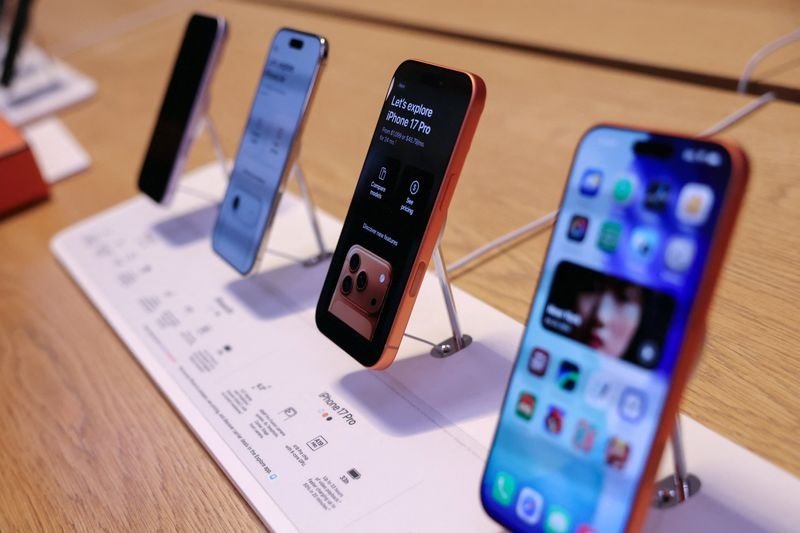
The global semiconductor industry is facing a major disruption as memory chip shortages push manufacturing costs higher. With Apple being one of the world’s largest smartphone makers, analysts and consumers alike are asking a key question: Will iPhones become more expensive?
Rising prices of DRAM and NAND memory chips, driven largely by growing demand from artificial intelligence (AI) infrastructure, are putting pressure on smartphone manufacturers worldwide.
Why Memory Chips Matter in Smartphones
Memory chips are essential components in modern smartphones. They allow devices to run applications smoothly, store data, and handle multitasking efficiently. When the cost of these chips rises, the total cost of producing a smartphone also increases.
Demand for memory has surged because large technology companies are buying huge volumes of chips to power AI servers and data centers. This has reduced the supply available for consumer electronics, including smartphones.
How the Chip Crunch Is Affecting Apple
Apple is in a stronger position than many competitors due to its scale, long-term supplier relationships, and ability to negotiate contracts with companies such as Samsung, SK Hynix, and Micron.
However, even Apple is not immune. The company has acknowledged that memory chip prices are rising sharply, though it has not confirmed whether these costs will be passed on to consumers.
Reports indicate that RAM prices have increased significantly, in some cases more than doubling compared with earlier costs, adding billions of dollars to production expenses at Apple’s scale.
Will iPhone Prices Increase?
Industry analysts remain divided:
- Some experts believe Apple may raise prices on future iPhone models to maintain profit margins.
- Others suggest Apple could absorb part of the cost to remain competitive and gain market share, especially if rivals are forced to increase prices.
Apple’s pricing decisions often influence the entire smartphone industry. If Apple raises prices, competitors are likely to follow, pushing average smartphone prices higher globally.
The Bigger Picture: Impact on the Smartphone Market
The memory chip shortage is not just an Apple problem. It is expected to:
- Increase average smartphone prices worldwide
- Slow growth in global smartphone shipments
- Put smaller manufacturers under greater financial pressure
Research firms estimate that rising component costs could lead to noticeable increases in average device prices and reduced shipments across the industry.
Why AI Is Driving the Shortage
A major factor behind the memory crunch is the rapid expansion of AI infrastructure. Companies building data centers require enormous amounts of high-performance memory, and chipmakers are prioritizing these high-margin products over consumer-grade memory used in smartphones.
This shift has tightened supply and accelerated price increases across the semiconductor market.
What Consumers Can Expect in 2026
While it is still uncertain whether Apple will increase iPhone prices immediately, several trends are clear:
- Component costs are rising across the electronics industry.
- Premium smartphones may see gradual price increases.
- Manufacturers may adjust features or configurations to manage costs.
Apple’s final strategy—whether to raise prices or absorb costs—could shape pricing trends across the entire smartphone market in the coming years.
Conclusion
The global memory chip crunch has placed Apple under intense scrutiny, as its decisions could influence smartphone pricing worldwide. Whether iPhones become significantly more expensive will depend on supply conditions, competition, and Apple’s long-term strategy.
For now, one thing is certain: the semiconductor supply chain will remain one of the most important factors shaping the future of smartphones.