






Tucked away near India’s farthest borders, the country’s “last villages” feel like places frozen in time. These remote settlements—often the final inhabited villages before international borders—offer untouched landscapes, rich traditions, and a rare sense of calm. While they’re beautiful year-round, the colder months transform them into something truly magical.
From snow-dusted rooftops to misty mornings and quiet trails, winter brings out the soul of India’s last villages.
What Are India’s ‘Last Villages’?
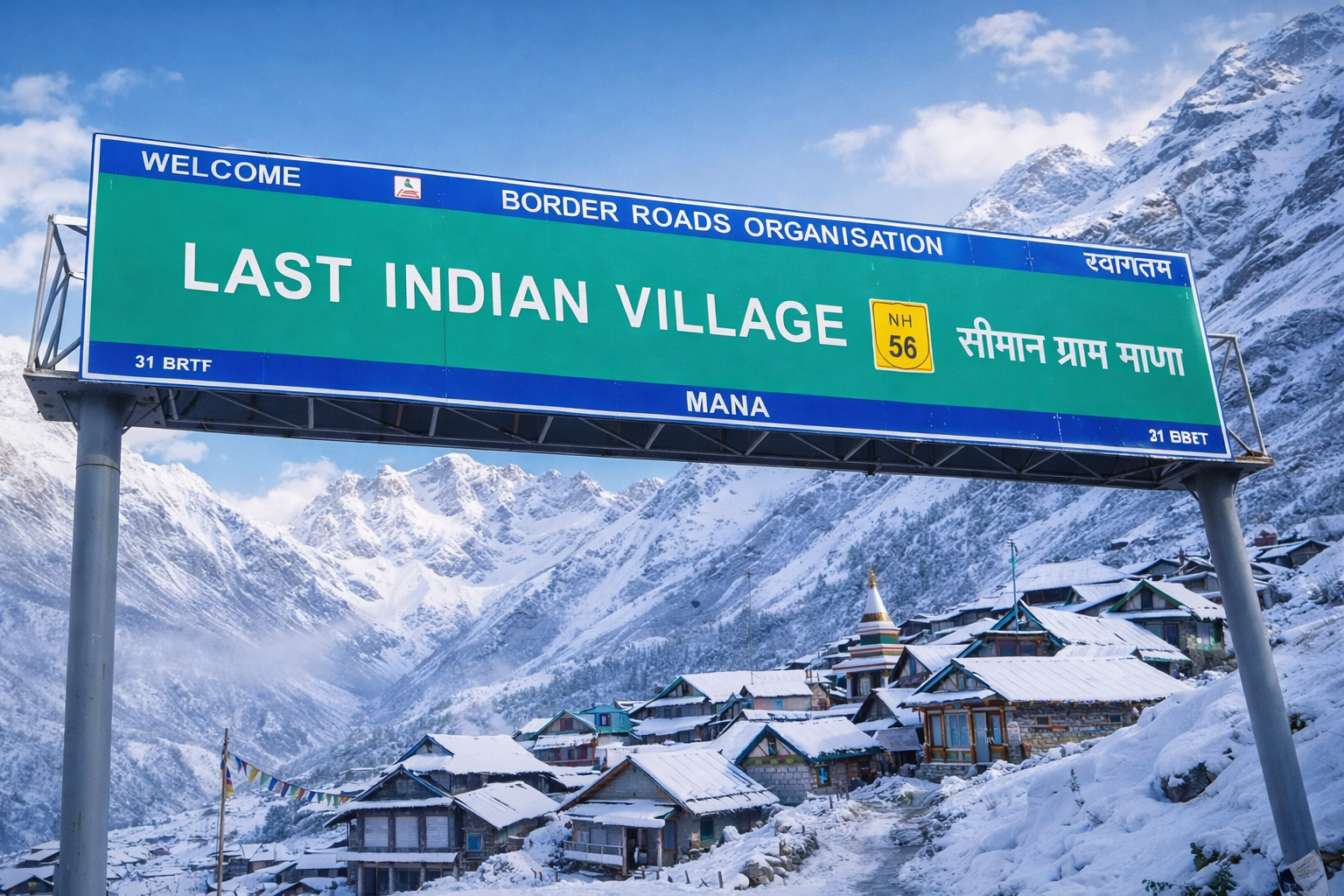
India’s last villages are settlements located at the edge of the country’s borders, often in the Himalayas or far-flung regions. Famous examples include:
- Mana (Uttarakhand)
- Chitkul (Himachal Pradesh)
- Demul (Spiti Valley)
- Dungti and Turtuk (Ladakh)
These villages are known for their isolation, raw beauty, and strong connection to nature and tradition.
Winter Turns Landscapes Into Living Paintings
During the colder months, these villages are wrapped in snow, frost, and soft golden sunlight. Mountains appear sharper, rivers slow down, and forests fall into a peaceful hush.
Snow-covered fields, wooden homes with smoke rising from chimneys, and star-filled night skies create scenes that feel straight out of a postcard.
Peace, Silence, and Fewer Tourists
Winter travel isn’t for everyone—and that’s exactly why it’s special.
- Fewer tourists mean less noise and more authenticity
- You can experience village life without crowds
- Locals have more time to share stories, food, and traditions
The silence of winter adds a deep sense of calm that’s hard to find elsewhere.
A Deeper Look Into Local Life and Culture
Colder months slow everything down. Village gather indoors, cook traditional winter meals, weave woolens, and celebrate small local festivals.
This is the best time to:
- Experience warm Himalayan hospitality
- Taste seasonal foods like thukpa, butter tea, and millet breads
- Understand how communities adapt to extreme climates
Winter shows how resilient and connected these villages truly are.
Perfect Weather for Slow, Meaningful Travel
Unlike hectic summer tourism, winter encourages slow travel. Days are shorter, walks are quieter, and moments feel more intentional.
It’s ideal for:
- Photography
- Reflection and mindfulness
- Cultural immersion
- Nature lovers seeking solitude
Every sunrise feels personal, every snowfall unforgettable.
Adventure With a Touch of Mystery
Cold months add a layer of adventure:
- Frozen rivers
- Snow-covered trails
- Dramatic mountain views
Travel becomes less about ticking destinations and more about experiencing the journey itself.
Things to Keep in Mind Before Visiting in Winter
- Prepare for extreme cold
- Check road and weather conditions
- Carry warm clothing and essentials
- Respect local customs and fragile ecosystems
Responsible travel is key in these sensitive regions.
Conclusion
India’s last villages are magical in every season, but winter reveals their true character. The colder months bring silence, beauty, warmth, and authenticity that modern travel often misses.
If you’re seeking peace, connection, and a glimpse of life at the edge of the world, there’s no better time than winter to visit India’s last villages.