






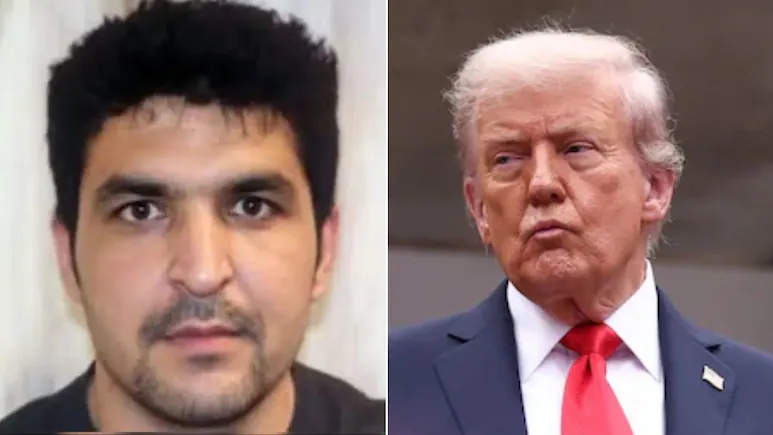
In a dramatic announcement on November 28, 2025, former U.S. President Donald J. Trump declared that the United States would permanently pause migration from all ‘Third World Countries’. The move comes amid ongoing debates over immigration policy, border security, and national safety. Trump claims the action is necessary to allow the U.S. immigration system to “fully recover” and prevent misuse of federal benefits.
The announcement has sent shockwaves across the globe, raising concerns about legal, humanitarian, and economic consequences. In this blog, we break down the announcement, reactions, and what this could mean for immigrants, refugees, and global migration in the coming years.
What Trump’s Announcement Means
Trump explicitly stated that the U.S. would stop migration from developing countries indefinitely, citing security concerns and an alleged need to prioritize American citizens. Key points from the announcement include:
- Suspension of migration and visa approvals from unspecified “Third World countries”.
- Review of existing green-card holders and asylum applications, potentially affecting millions.
- Plans to end federal benefits for non-citizens deemed a “public charge” or security risk.
- Emphasis on border security and stricter vetting for those seeking entry into the United States.
The term ‘Third World Countries’ is vague and undefined, creating uncertainty about which nations are directly impacted. Reports suggest that this may include countries across Africa, Asia, Latin America, and the Caribbean.
Why Trump Claims This Step is Necessary
Trump linked the decision to recent security incidents, including a shooting near the White House, which he attributed to lapses in immigration vetting. According to Trump:
- The pause is necessary to “protect American lives and ensure national security.”
- Federal resources must be “prioritized for citizens, not overwhelmed by uncontrolled migration.”
- The U.S. immigration system must “recover from years of mismanagement under previous administrations.”
While supporters hail this as a decisive move to safeguard the nation, critics argue that it could disproportionately harm refugees, asylum-seekers, and legal immigrants who have contributed positively to U.S. society.
Potential Impact on Immigrants
The pause could have far-reaching consequences for millions worldwide:
- Existing applicants: Individuals with pending visas, green cards, or asylum applications may face delays or cancellations.
- Refugees: Humanitarian programs may be stalled, affecting vulnerable populations fleeing conflict or persecution.
- Workforce: Migrant workers from developing countries may face sudden restrictions, impacting sectors reliant on foreign labor.
- Families: Separation of families already living in the U.S. or planning reunification could increase.
Legal experts caution that the policy may face challenges in courts due to potential violations of U.S. immigration law and international human rights obligations.
Global Reactions to the Policy
The announcement has triggered widespread debate both domestically and internationally:
- Critics argue the policy is discriminatory, unfairly targeting developing nations and vulnerable populations.
- Supporters claim it prioritizes national security and economic stability by limiting migration from countries with perceived risks.
- International organizations have raised concerns about the humanitarian impact and global perception of the United States.
- Affected countries may face reduced remittances and economic strain due to restricted migration.
Social media has amplified both support and opposition, with netizens debating the ethical, economic, and social implications of the decision.
Economic & Social Implications
- Labor market impact: Industries reliant on migrant labor, such as agriculture, healthcare, and technology, could face shortages.
- Higher costs: Reduced migrant labor may increase costs for goods and services.
- Innovation slowdown: Migration is linked to entrepreneurship and innovation; restricting entry may affect U.S. competitiveness.
- Social dynamics: Communities with large immigrant populations may experience tension or disruption.
Economists warn that while the policy might temporarily reduce migration, the long-term economic impact could be negative for the U.S. economy.
Legal and Humanitarian Challenges
Legal experts anticipate challenges to the migration pause on several grounds:
- Constitutional rights: Questions arise about equal protection and discrimination based on nationality.
- International treaties: U.S. commitments to refugee and asylum obligations could be violated.
- Case backlog: Courts may see increased filings as affected migrants seek legal recourse.
Humanitarian organizations argue that the policy could endanger lives of those fleeing war, famine, or persecution, and urge reconsideration.
What Migrants and Families Should Know
If you are planning to migrate or have family in the U.S., here are key steps:
- Check your visa status: Monitor updates from USCIS or relevant U.S. government sources.
- Legal guidance: Consult immigration lawyers or certified legal aid to understand options.
- Stay informed: Follow reputable news sources for live updates.
- Community support: Connect with immigrant advocacy groups for guidance and assistance.
Conclusion
Donald Trump’s permanent pause on migration from ‘Third World countries’ marks one of the most significant shifts in U.S. immigration policy in recent years. While intended to strengthen security and protect resources, the policy is highly controversial and may face legal, humanitarian, and global backlash.
The move will directly impact millions of immigrants, refugees, and workers from developing nations. Countries across Africa, Asia, and Latin America may experience disrupted migration flows, while U.S. industries, communities, and families adjust to the new reality.
As this story develops, it is crucial to stay updated through reliable sources, understand the implications for affected communities, and monitor potential legal challenges that may shape the final outcome.