







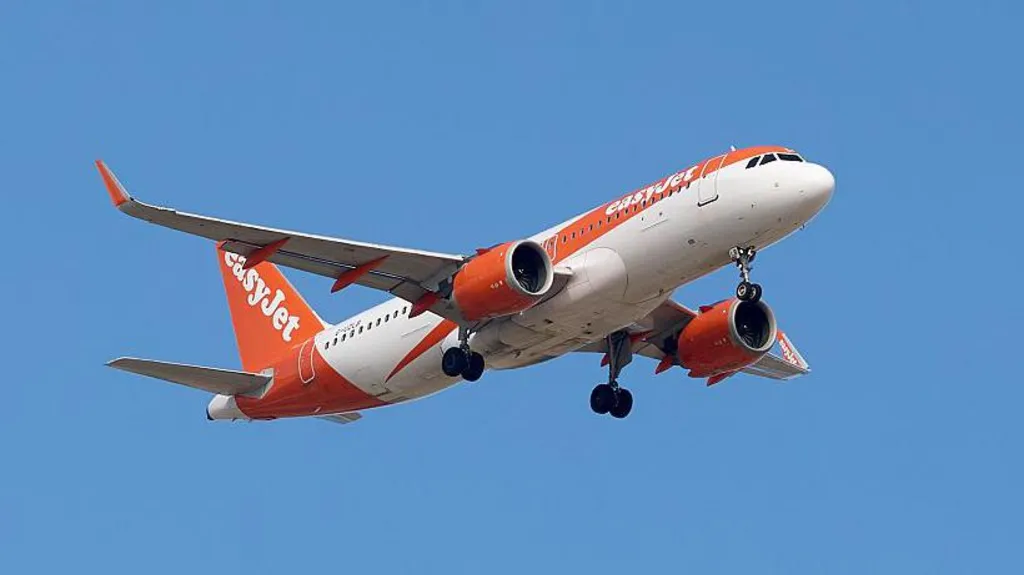
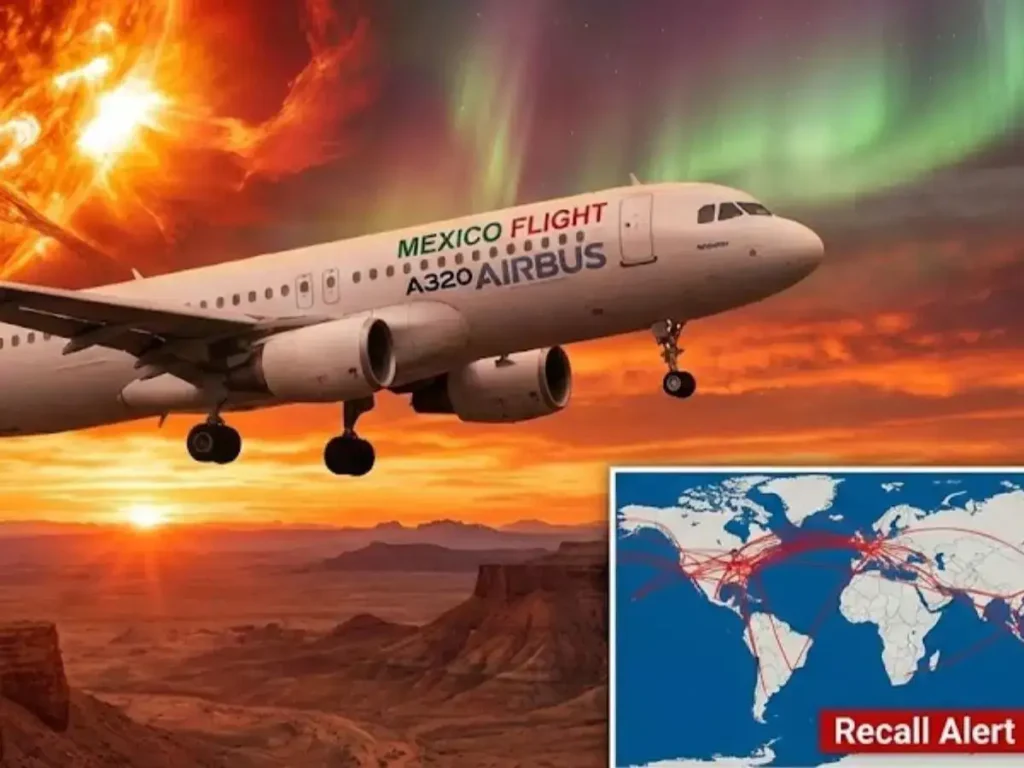
A series of Airbus aircraft were temporarily grounded after the manufacturer detected that heightened levels of solar radiation could potentially interfere with onboard systems. The precautionary grounding, implemented across several airlines, has raised concerns about aviation safety during periods of intense solar activity. While no major incidents were reported, the discovery has prompted industry-wide discussions about how aircraft technology responds to extreme space-weather conditions.
How the Issue Was Detected
Routine system checks revealed anomalies
Airbus engineers identified unusual system behaviours during routine diagnostic checks. These irregularities were traced back to periods of increased solar radiation linked to ongoing solar storms. According to early assessments, certain electronic modules appeared to show heightened sensitivity during these radiation spikes.
Why solar radiation matters to aviation
Solar radiation can release charged particles that interfere with electronic circuits, satellite signals, and communication networks. Aircraft flying at high altitudes are particularly vulnerable because they operate closer to the upper atmosphere where shielding is naturally weaker.
The discovery highlighted the need for improved safeguards during periods of elevated space weather activity.
What Systems Were Potentially Affected
Avionics and navigation components
Preliminary evaluations suggested that avionics systems, including navigation modules and flight-control sensors, might be at risk during intense solar radiation events. These systems are central to managing aircraft stability and orientation.
Communication and satellite-linked equipment
Another area of concern was equipment relying on satellite input. Solar storms can distort GPS accuracy and disrupt radio communication, which are essential during critical flight phases such as landing and takeoff.
Backup measures remained operational
Despite the risks, Airbus emphasised that existing safety redundancies functioned as designed. Pilots maintain multiple layers of manual and automated controls, ensuring that standard operations were never compromised.
Immediate Response by Airlines
Grounding directives issued
Once Airbus shared its findings with airline partners, carriers promptly grounded select aircraft models for further checks. The grounding affected only specific batches where sensitive components were installed, not entire fleets.
Safety inspections and software reviews
Technicians carried out accelerated inspections, including stress tests and firmware checks, to ensure that all systems remained reliable under varying radiation conditions. Engineers also reviewed sensor calibrations and component shielding.
Minimal disruption to passengers
Most airlines managed to reroute flights using unaffected aircraft types, resulting in limited delays. Passengers were largely unaware of the behind-the-scenes safety procedures taking place.
The Science Behind Solar Radiation Events
Understanding solar storms
Solar radiation surges occur when the Sun emits high-energy particles during solar flares or coronal mass ejections. These particles travel rapidly toward Earth and can interfere with magnetic fields and electronic systems.
Why aviation is increasingly impacted
With aircraft becoming more technologically advanced and heavily reliant on digital systems, sensitivity to external electromagnetic interference has become a growing area of research.
Additionally, the current solar cycle is entering a phase of heightened activity, increasing the frequency of solar storms.
Airbus’ Official Position and Next Steps
Manufacturer reassures public
Airbus clarified that the grounding was a precautionary move and not an indication of system failure. The company stressed that the safety of passengers and crew remains its top priority and that all affected aircraft will only return to service after thorough verification.
Enhancements being planned
Engineering teams are now evaluating options such as improved shielding, updated detection software, and radiation-resistant materials for future aircraft models. Airbus is also working with space-weather agencies to develop early warning mechanisms for airlines.
Collaboration with global regulators
Aviation regulators are reviewing the data provided by Airbus to determine whether new guidelines or monitoring procedures should be introduced. This includes potential changes to high-altitude flight routes during extreme solar events.
Industry Reactions and Long-Term Implications
Experts call it a wake-up call
Aviation analysts believe the incident underscores the increasing influence of space weather on modern flight systems. They argue that airlines must prepare for more frequent disruptions as the solar cycle intensifies.
Push for stronger resilience
The aviation industry may see accelerated investment in radiation-hardened electronics and more robust system redundancy. Training modules for pilots could also incorporate space-weather risk management.
Importance of global monitoring
The incident has renewed focus on space-weather observatories and the need for real-time alerts. Better prediction tools can help airlines plan safer routes and avoid potential disruptions.
Conclusion
The temporary grounding of Airbus aircraft due to concerns over solar radiation interference is a reminder of the complex relationship between aviation technology and natural phenomena. While the situation was handled swiftly and safely, it has raised important questions about how aircraft systems respond during solar storms.
With ongoing research and heightened collaboration between manufacturers, regulators, and scientists, the industry is expected to introduce new safeguards that enhance resilience against space-weather impacts. As solar activity continues to fluctuate, proactive measures will play a crucial role in ensuring uninterrupted and secure air travel in the years ahead.