




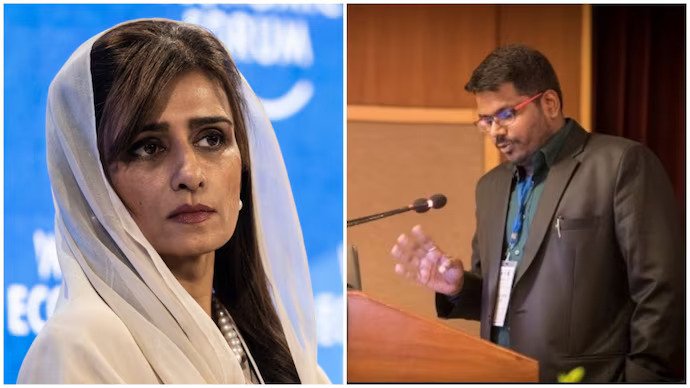
A high-profile debate at the University of Oxford has sparked fresh controversy as representatives from India and Pakistan exchanged accusations following a dramatic walkout. What was intended to be an academic discussion quickly turned into a diplomatic sparring match, with both sides presenting conflicting accounts of what happened.
The incident has now drawn attention across academic circles, political communities, and social media, raising questions about the conduct of student representatives and the sensitivity surrounding cross-border issues.
How the Oxford Debate Turned Contentious
The setup of the event
The debate, hosted by a student-run society at Oxford, was designed to provide a platform for intellectual discussion on South Asian geopolitics, regional cooperation, and historical grievances. Students, academicians, and invited speakers attended the session expecting a vigorous yet respectful exchange.
However, tensions began escalating much earlier than anticipated as the debate shifted from academic dialogue to emotionally charged arguments.
Initial disagreements
Participants from both sides reportedly clashed over historical narratives, territorial claims, and socio-political interpretations. While disagreements in debates are expected, the intensity of this particular face-off surprised many in attendance.
The friction reached a boiling point when interlocutors accused each other of misrepresentation and deliberate provocation.
The Walkout: Two Conflicting Narratives
Indian delegation’s version
According to members of the Indian group, the walkout occurred due to repeated interruptions and alleged personal remarks that went beyond the framework of civil discourse. They claimed that certain statements made by the opposing side were inflammatory and unrelated to the topic, making it impossible for them to participate in a constructive manner.
They emphasised that their decision to exit was to register protest against what they described as an undisciplined and hostile debating environment.
Pakistani delegation’s version
The Pakistani side presented an entirely different account, arguing that the Indian representatives walked out because they could not counter specific arguments raised during the discussion. They accused the Indian team of avoiding uncomfortable questions and choosing theatrics over intellectual engagement.
They insisted that the walkout was staged to divert attention from substantive debate points.
Neutral attendees weigh in
Several neutral participants and audience members later shared observations indicating that both sides had contributed to the heated atmosphere. Interruptions, raised voices, and emotionally charged statements appeared to be common throughout the session.
Observers noted that the debate’s topic itself required handling with sensitivity, something that seemed to deteriorate as the event progressed.
Did the Organizers Lose Control?
Moderation challenges
Student moderators found it difficult to control the escalating tension. Efforts to restore order through repeated instructions were unsuccessful as both sides continued to interrupt and challenge each other.
The moderators eventually decided to pause the session, but by then the Indian delegation had already exited the hall.
Questions over event design
Some critics argued that the topic selection and participant lineup may not have been conducive to a calm academic exchange. With historically polarising subjects on the table, the debate required stricter rules and more experienced moderators.
Others believe the debate should have incorporated pre-set speaking times and penalties for interruptions to prevent disorder.
Reactions on Social Media
Heated public debate
Following the walkout, social media platforms became flooded with videos, partial clips, and contradictory statements. Supporters from both countries amplified their preferred narratives, turning the incident into a larger online dispute.
Many users accused the other side of attempting to score political points in an academic setting.
Calls for clarity
Some academics and alumni called for the release of the full debate recording to provide transparency. They argued that selectively edited clips circulating online could distort the actual sequence of events.
The organizing committee has not yet confirmed whether it will release an official recording.
The Larger Context Behind the Clash
Political sensitivities
India and Pakistan share a long history of complex geopolitical tensions. When these issues are brought into forums like academic debates, they can evoke strong emotions among participants.
The Oxford incident highlights how discussions intended to foster understanding can instead reflect the same divisions present at governmental levels.
Youth perspectives
Interestingly, the participants involved were mostly young students, many of whom represent a generation that seeks dialogue and peaceful understanding. Yet the pressure to defend national positions often influences how discussions unfold.
The incident has led to renewed calls for training students in conflict-sensitive communication.
What Happens Next for the Oxford Debate Society?
Organizational response
The debate organizers issued a brief statement expressing regret over the disruption and reaffirming their commitment to free speech and respectful dialogue. They indicated that they are reviewing the incident and assessing what structural changes may be needed for future events.
Potential reforms
Proposed improvements include:
- Stronger moderation guidelines
- Clearer rules for participant conduct
- Pre-event briefing sessions
- Stricter time management during discussions
- Inclusion of neutral academic experts to guide conversations
These measures aim to prevent future debates from escalating into confrontations.
Why This Incident Matters
Impact on academic discourse
Universities are meant to be spaces where complex issues can be discussed openly. The walkout raises concerns about whether emotionally sensitive subjects are being handled with the necessary level of academic discipline.
Events like these shape how global audiences perceive the quality of dialogue in prestigious institutions.
Reflection of broader tensions
The debate fiasco also shows how deeply political narratives influence student communities. In many ways, it mirrors ongoing diplomatic tensions between India and Pakistan.
Yet it also highlights the need for communication skills that allow disagreement without hostility.
Conclusion
The Oxford debate fiasco has become more than just a campus incident—it has evolved into a symbol of how sensitive cross-border issues can spill into academic spaces. With both Indian and Pakistani sides offering sharply contrasting explanations for the walkout, the truth lies somewhere between differing perceptions, emotional responses, and the complexities of regional history.
The incident has sparked discussions about the nature of academic debate, the responsibilities of participants, and the need for stronger moderation. As the story continues to unfold, the emphasis must shift toward creating a more respectful environment for future dialogues.