




Tomorrow, all eyes will turn to the ancient and sacred land of Kurukshetra in Haryana, as Prime Minister Narendra Modi comes to participate in one of India’s most spiritually rich festivals — the International Gita Mahotsav.
Why this visit matters
The event holds layered importance. On one level, it is the celebration of the festival tied to the sacred text Bhagavad Gita — believed to have been spoken by Lord Krishna to Arjuna right here in Kurukshetra. On another level, it comes at a moment of heightened cultural and political symbolism.
According to media reports:
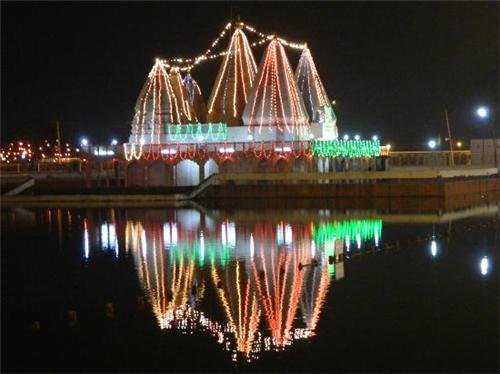
- The Prime Minister is slated to take part in the “Maha Aarti” at the banks of the Brahma Sarovar. The Indian Express+2The Tribune+2
- He will also engage with ceremonies for the 350th martyrdom anniversary of Guru Tegh Bahadur, intimately tied to this region’s festivities. Hindustan Times+1
- The 10th edition of the Gita Mahotsav (from Nov 15 to Dec 5) carries an international dimension: scholars from abroad, partner-states (such as Madhya Pradesh), and numerous cultural programs. Impressive Times+2The Tribune+2
In short, the visit is more than ceremonial: it connects heritage, faith, politics and global outreach.
What the festival means
The International Gita Mahotsav is not just any religious festival. It is rooted in the belief that the dialogue of the Gita occurred here in Kurukshetra, at the place called Jyotisar. Wikipedia+1
It brings together spirituality, culture and scholarship:
- Sermons, recitations of Gita shlokas, thematic exhibitions. The Tribune+1
- A “48 Kos Parikrama” — a pilgrimage walking circuit around the region tied to the Mahabharata-era geography. Wikipedia
- Cultural fairs, craft displays, partner states showcasing heritage — this year Madhya Pradesh is the partner state. Impressive Times+1
For locals and pilgrims alike, the festival is a time of reflection: what do the teachings of the Gita mean in today’s world? How can ancient wisdom guide modern life?
What to expect tomorrow
Given the Prime Minister’s arrival, and the festival’s scale, several key features will stand out:
- Large gatherings at Brahma Sarovar for the Maha Aarti in the evening, illuminated beyond the usual pilgrimage lighting.
- Speeches and ceremonies that will highlight both spiritual themes and developmental narratives — often a hallmark of such major visits.
- Enhanced traffic, heavy security, and media presence. The local administration is likely to have blocks and access control in place.
- A convergence of press, devotional travellers, local residents, cultural troupes and officials.
Why Kurukshetra still resonates
Even if you are not participating, one cannot help but feel the pull of Kurukshetra. This land — steeped in myth and history — offers:
- The place where the Gita’s eternal dialogue took shape: under the tree at Jyotisar, facing the battlefield of Kurukshetra. Wikipedia+1
- A space where time seems to slow, where the spiritual and everyday merge: pilgrims reciting shlokas, visitors pausing by the water, temples lit up at dusk.
- A reminder that spirituality in India often intersects with cultural identity, politics and public life.
A personal reflection
Walking through Kurukshetra on such an occasion, one senses a quiet tension — between stillness and spectacle. The serene banks of Brahma Sarovar carry the weight of ancient memory; yet the voices of today’s politicians and media throng remind us of the live moment we are in. It’s a meditation and a performance.
If I were there tomorrow, I’d pause for two minutes before the Aarti begins: let the water mirror the sky; let the breeze carry the faint chant of the Gita; let the many lights around remind me that every step, every action, matters. After all, the Gita teaches that.