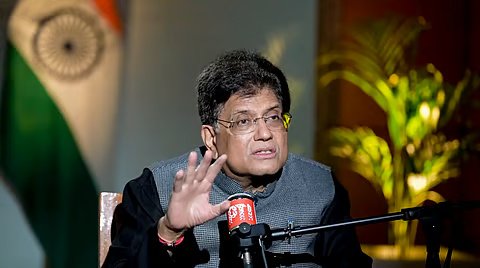








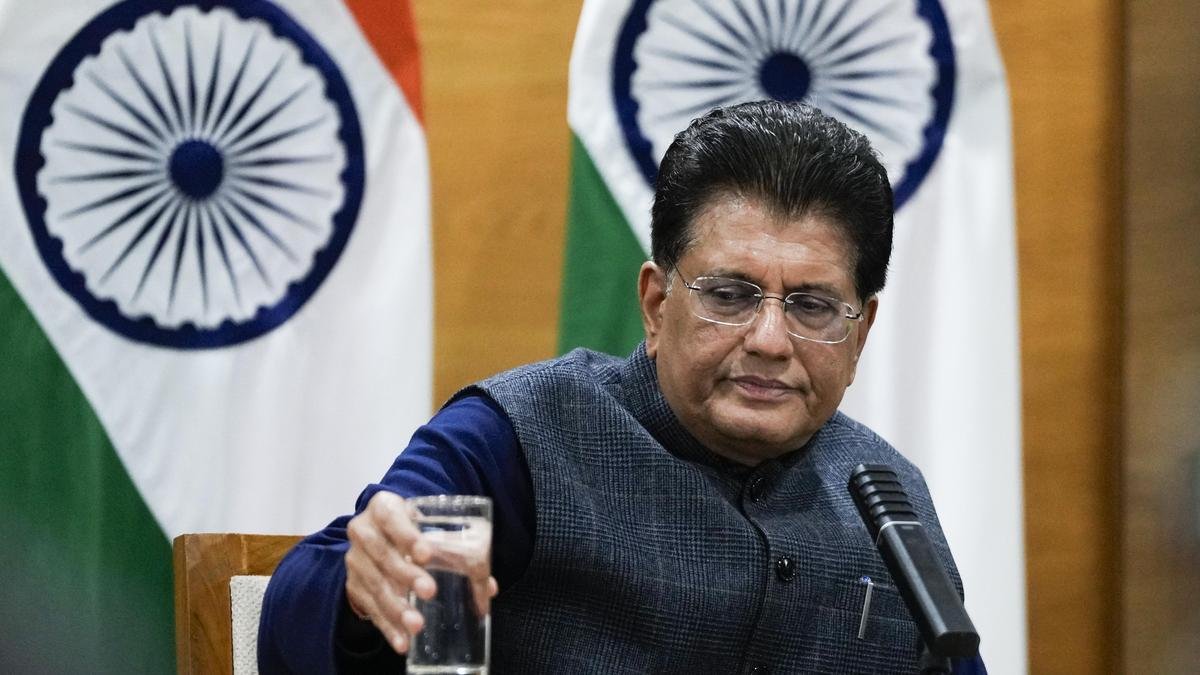
India’s Commerce and Industry Minister Piyush Goyal has stated that the ongoing or proposed India-U.S. trade arrangements do not include provisions that would negatively impact Indian farmers. The statement comes amid discussions and public debate about agricultural imports and market access in bilateral trade negotiations.
Agriculture remains a sensitive sector in India, supporting millions of livelihoods, and trade decisions often attract close scrutiny from farmer groups and policymakers.
Government’s Position on Protecting Farmers
According to the government, trade negotiations are being conducted with a strong focus on:
- Safeguarding domestic agriculture
- Preventing unfair competition from imports
- Ensuring balanced tariff commitments
- Protecting rural livelihoods
Officials have emphasized that no agreement would be finalized if it risks harming farmers or weakening India’s agricultural sector.
Why Agriculture Is a Sensitive Sector
Agriculture plays a crucial role in India’s economy:
- A large portion of the population depends on farming for income
- Food security remains a national priority
- Many farmers operate on small landholdings
- Price fluctuations and global competition can directly affect rural incomes
Because of these factors, governments typically take a cautious approach when negotiating agricultural trade provisions.
What Trade Negotiations Typically Cover
India-U.S. trade discussions often involve:
- Industrial goods and manufacturing inputs
- Technology and services
- Tariff reductions in selected sectors
- Market access for certain products
Agricultural items are usually negotiated carefully, with safeguards such as quotas, phased tariff reductions, or exclusions to protect domestic producers.
Balancing Trade Growth and Domestic Interests
India aims to expand trade and investment ties with major economies like the United States, but policymakers also seek to balance this goal with domestic priorities.
A well-structured trade agreement can:
- Increase exports
- Improve technology access
- Strengthen supply chains
- Attract investment
At the same time, protecting vulnerable sectors remains a key negotiating principle.
Reactions and Public Debate
Statements regarding farmer protection are important because agricultural trade reforms often raise concerns among farmer organizations and rural communities.
Experts note that transparency, consultation, and phased implementation are essential to ensure that trade agreements are both economically beneficial and socially sustainable.
Conclusion
The assurance by Piyush Goyal that the India-U.S. deal will not harm Indian farmers reflects the government’s effort to balance global trade expansion with domestic agricultural protection.
As negotiations progress, the focus is likely to remain on safeguarding livelihoods while strengthening economic partnerships and export opportunities.