








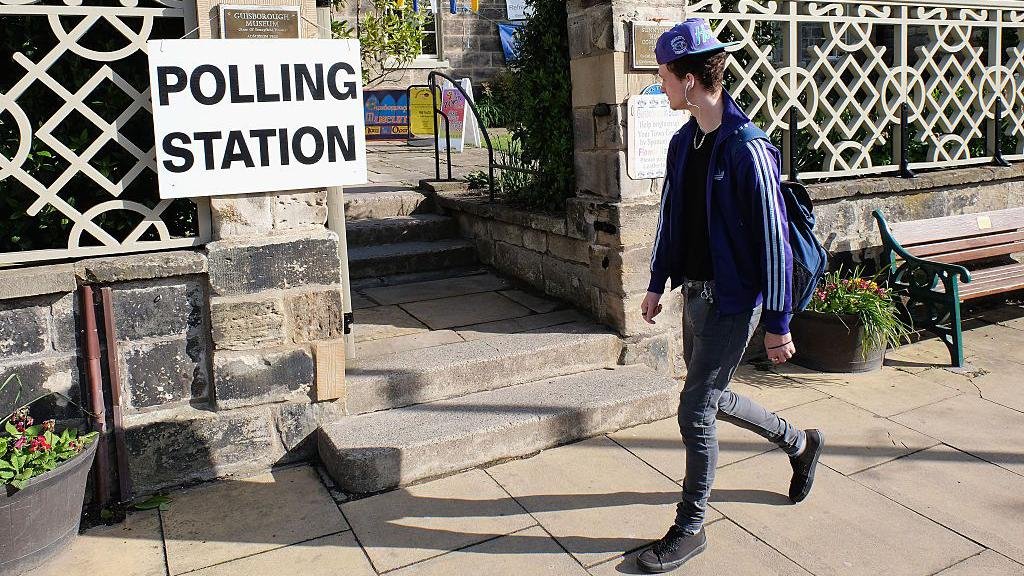
A new legislative proposal to lower the voting age to 16 has been introduced in the UK Parliament, sparking debate among policymakers, educators, and the public. The proposal aims to expand democratic participation by allowing younger citizens to vote in elections and referendums.
Supporters argue that lowering the voting age would encourage early civic engagement and better represent the interests of younger generations, while critics have raised concerns about political awareness and readiness among younger voters.
Why the Voting Age Debate Has Returned
The discussion around reducing the voting age is not new. Several countries and regions have already allowed 16- and 17-year-olds to vote in certain elections. Advocates believe that today’s young people are more informed than ever, thanks to access to digital media, education, and social awareness campaigns.
Proponents also argue that many 16-year-olds already take on responsibilities such as working, paying certain taxes, or making decisions about education and training. They believe these responsibilities justify giving them a voice in political decisions that affect their future.
Arguments in Favor of Lowering the Voting Age
Supporters of the bill highlight several potential benefits:
1. Encouraging Civic Participation Early
Allowing teenagers to vote may help build lifelong voting habits. Studies in various countries suggest that individuals who vote at a younger age are more likely to continue participating in elections as adults.
2. Representation of Youth Issues
Young people are directly affected by policies related to education, climate change, employment, and technology. Lowering the voting age could ensure these perspectives are better represented in policymaking.
3. Strengthening Democracy
Expanding the electorate can be seen as a way to strengthen democratic systems by including more voices and perspectives in the political process.
Concerns and Criticism
Not everyone agrees with the proposal. Critics have raised several concerns:
1. Political Awareness and Maturity
Some opponents argue that many teenagers may not yet have sufficient political knowledge or life experience to make informed voting decisions. They believe civic education would need to be strengthened before any change is implemented.
2. Influence and Pressure
Another concern is that younger voters could be more easily influenced by peers, social media trends, or external pressures, potentially affecting independent decision-making.
3. Administrative and Legal Challenges
Changing the voting age would require adjustments to electoral systems, voter registration processes, and public awareness campaigns to ensure smooth implementation.
International Examples
Several countries and regions have already experimented with lowering the voting age to 16 in local or national elections. These examples are often cited in debates, with some reports suggesting increased youth participation and engagement in civic activities.
Observers note that successful implementation usually goes hand in hand with strong civic education programs that prepare young voters to understand political processes.
What Happens Next?
The introduction of the bill is only the first step in the legislative process. Lawmakers will debate the proposal, examine its potential impacts, and consider amendments before any final decision is made.
Committees may also review evidence, including research on youth participation, voter turnout, and experiences from other countries. The timeline for such legislation can vary depending on political priorities and parliamentary schedules.
Why This Issue Matters
Lowering the voting age is a significant policy decision that could reshape electoral participation in the United Kingdom. The outcome of the debate may influence how younger citizens engage with politics and how governments address youth-related concerns in the future.
Regardless of the final decision, the discussion itself highlights the growing importance of youth voices in public policy and democratic processes.
Conclusion
The bill to lower the voting age to 16 has opened an important conversation about representation, civic responsibility, and the future of democracy. As the proposal moves through parliamentary debate, public opinion and expert analysis are likely to play a key role in shaping the final outcome.