







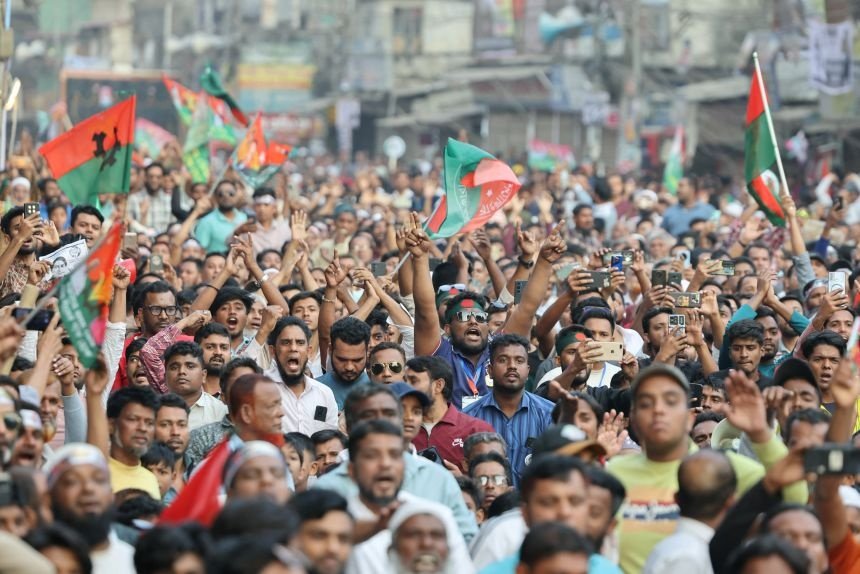
Nationalist political forces in Bangladesh have secured victory in the country’s first major election since the youth-led protests often described as the “Gen Z uprising.” The election results signal a significant shift in the political environment and highlight the growing influence of young voters in shaping national outcomes.
The vote was closely watched both domestically and internationally, as it was seen as a test of political stability and democratic processes following months of public demonstrations and demands for reform.
Background: The Gen Z Uprising
In recent years, Bangladesh witnessed widespread protests driven largely by students and young citizens. Demonstrators called for reforms related to governance, employment opportunities, transparency, and economic policy. Social media played a major role in mobilizing young people, amplifying their concerns, and coordinating demonstrations across cities.
The protests drew attention to the expectations of a new generation that is more connected, informed, and vocal about political and social issues. Analysts believe that the movement significantly influenced public opinion ahead of the elections.
Election Results and Political Impact
Nationalist groups, including leaders associated with the Bangladesh Nationalist Party, emerged with strong support in several constituencies. Observers say that dissatisfaction with economic challenges, rising living costs, and governance concerns contributed to the outcome.
The victory is being interpreted as a mandate for change by many supporters, while critics emphasize the importance of ensuring inclusive policies and maintaining democratic institutions.
Political analysts note that the new leadership will face immediate challenges, including economic management, job creation, and maintaining public confidence after a period of political unrest.
Role of Young Voters
One of the defining features of this election was the participation of younger voters. Many first-time voters were influenced by the issues highlighted during the protests, including education, digital opportunities, and employment.
Experts suggest that youth engagement is likely to remain a major factor in future elections. Political parties are increasingly focusing on policies that appeal to younger citizens, recognizing their growing share of the electorate.
Economic and Regional Implications
The election outcome may also influence Bangladesh’s economic policies and international partnerships. Investors and regional partners are closely watching how the new government approaches trade, infrastructure, and industrial growth.
Bangladesh has experienced steady economic expansion over the past decade, and maintaining that momentum will be a key priority. Any policy changes related to exports, manufacturing, or foreign investment could have broader regional implications.
International Reactions
Governments and international organizations have expressed interest in the election results, emphasizing the importance of political stability and democratic governance. Diplomatic partners are expected to engage with the new leadership to continue cooperation in areas such as trade, climate resilience, and development.
Observers also stress that addressing the concerns raised during the protests will be essential for long-term stability.
What Comes Next?
Following the election, attention is shifting to the formation of the government and the announcement of policy priorities. Citizens are watching closely to see whether campaign promises related to governance reforms, economic development, and youth opportunities will be implemented.
The administration’s ability to balance reform with stability will likely determine public confidence in the months ahead.
Conclusion
The victory of nationalist forces in Bangladesh’s first election since the Gen Z uprising marks an important turning point in the country’s political landscape. The results reflect changing public sentiment, stronger youth participation, and growing demands for reform.
As the new government takes office, its decisions on economic policy, governance, and social issues will shape the next phase of Bangladesh’s political and economic development.