









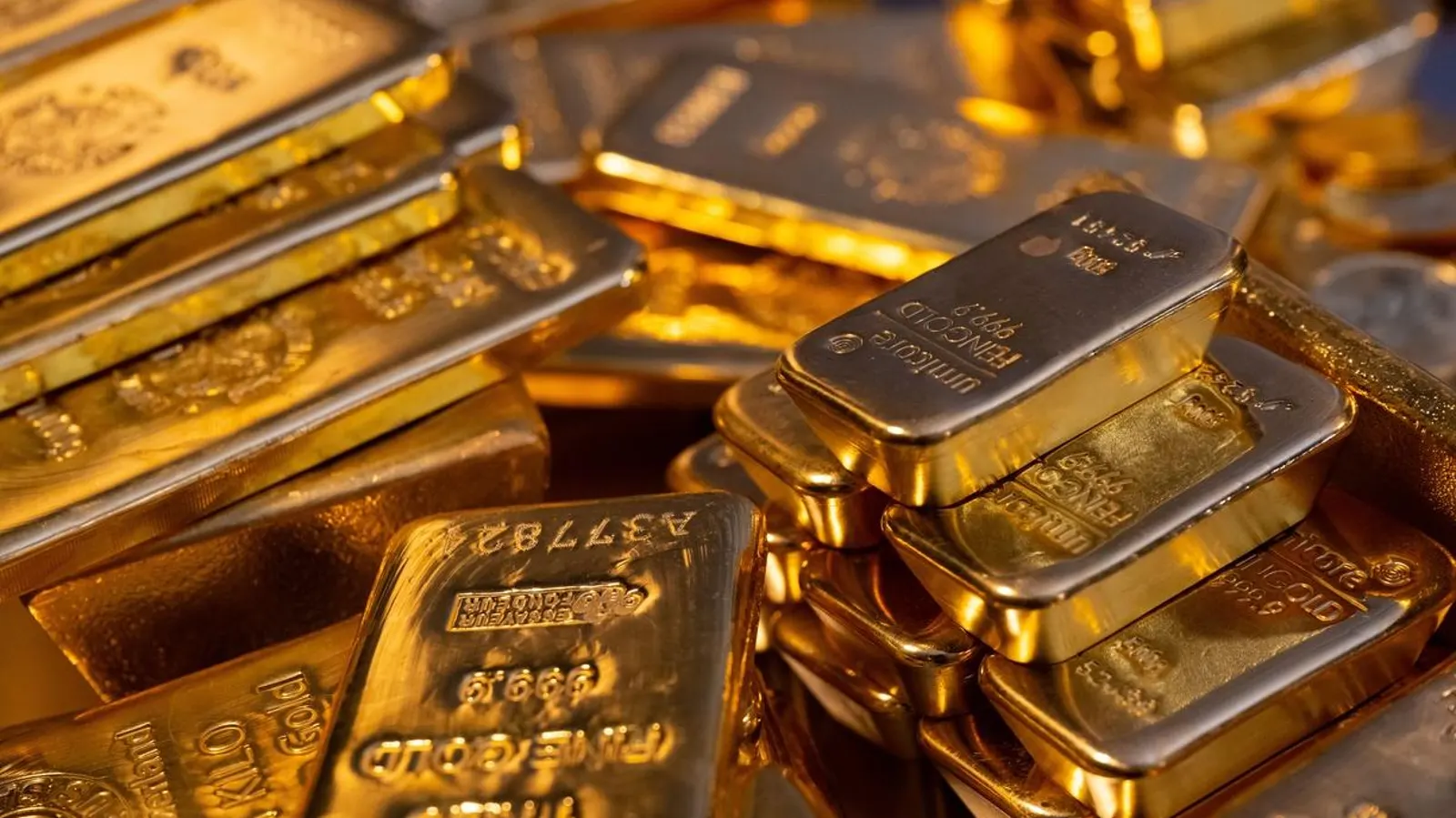
Gold prices have been showing a steady upward trend in recent months, attracting the attention of investors, analysts, and consumers alike. Many market experts believe that the gold rate may remain strong due to a combination of global economic factors, geopolitical uncertainty, and rising demand from major economies, including China.
Gold has traditionally been considered a safe-haven asset, meaning that investors often turn to it during periods of uncertainty. Several ongoing global developments are currently supporting higher gold prices.
1. Global Economic Uncertainty
One of the biggest reasons behind the rise in the gold rate is uncertainty in the global economy. Concerns about inflation, interest rates, and slowing growth in some major economies have pushed investors to shift their money into safer assets like gold.
When stock markets become volatile or economic forecasts appear uncertain, gold tends to gain value because it is seen as a stable store of wealth.
2. Central Bank Gold Purchases
Central banks around the world have been increasing their gold reserves in recent years. Countries are diversifying their reserves to reduce dependence on foreign currencies and strengthen financial stability.
Higher demand from central banks creates additional pressure on supply, which can push gold prices upward over time.
3. China’s Growing Demand for Gold
China plays a major role in the global gold market. It is one of the world’s largest consumers and importers of gold. When demand rises in China—whether from investors, banks, or the jewelry sector—it can significantly influence international prices.
In times of currency fluctuations or economic uncertainty, Chinese investors often increase their purchases of gold as a hedge. This surge in demand contributes to the overall rise in the global gold rate.
Additionally, policy changes and domestic economic conditions in China can affect buying patterns, which in turn impact global markets.
4. Weakness in Global Currencies
Gold prices often move in the opposite direction of major currencies, particularly the US dollar. When currencies weaken or fluctuate significantly, gold becomes more attractive as an alternative store of value.
Investors across the world closely monitor currency movements, inflation data, and interest rate decisions by central banks, as these factors directly influence gold prices.
5. Geopolitical Tensions and Market Risks
Geopolitical tensions, trade disputes, and regional conflicts can also drive gold prices higher. During uncertain global conditions, investors seek stability, and gold historically performs well during such periods.
Even rumors or speculation about potential conflicts or economic disruptions can cause temporary spikes in gold prices.
6. Impact on Indian Markets
In India, gold holds cultural as well as financial importance. Rising global prices often lead to higher domestic rates because India imports a large portion of its gold.
Factors such as currency exchange rates, import duties, and seasonal demand during festivals and weddings also influence gold prices in the country. When international prices rise, the effect is usually reflected in Indian markets as well.
Will Gold Prices Continue to Rise?
While it is difficult to predict exact price movements, analysts believe that as long as economic uncertainty, strong central bank demand, and global market risks continue, gold prices are likely to remain firm.
However, changes in interest rates, stronger economic growth, or a stronger dollar could slow the pace of price increases in the future.
Conclusion
The recent surge in the gold rate is driven by multiple factors, including global economic uncertainty, strong central bank buying, currency fluctuations, and rising demand from countries like China. As these factors remain relevant, gold is expected to continue playing a key role as a safe-haven investment.