








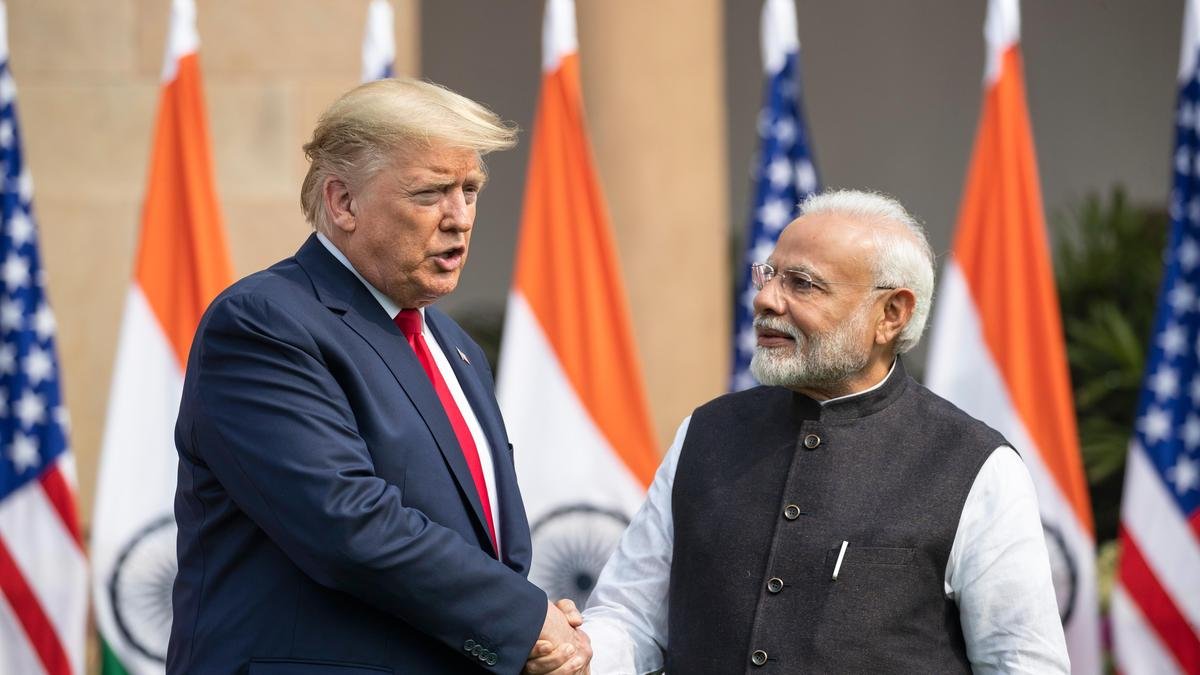
India is preparing to reduce import duties on a range of U.S. industrial goods and several agricultural products, a move that reflects growing economic cooperation between the two countries. In return, India is expected to secure tariff commitments and improved market access in areas important to its exporters.
This development signals a shift toward deeper trade engagement and a more balanced bilateral trade framework.
What the Duty Reduction Means
Lowering duties on industrial goods can help:
- Reduce costs for manufacturers that rely on imported components
- Improve technology access and productivity
- Strengthen supply chains in sectors such as engineering and machinery
For agricultural products, reduced tariffs may increase product availability and competition, potentially benefiting consumers while requiring domestic producers to adapt.
Why India Is Taking This Step
Several factors are driving the policy direction:
1. Strengthening Bilateral Trade
India and the United States are among each other’s major trading partners. Lower tariffs can help increase trade volumes and expand cooperation across sectors.
2. Supporting Manufacturing Growth
Access to advanced machinery and industrial inputs at lower costs can improve competitiveness for Indian manufacturers and support long-term industrial growth.
3. Strategic Economic Cooperation
Trade negotiations increasingly go beyond tariffs to include supply chains, technology collaboration, and investment flows. Adjusting duty structures is often part of broader economic partnerships.
Tariff Commitments and Reciprocal Benefits
In trade negotiations, tariff reductions are usually accompanied by reciprocal commitments. India is expected to benefit through:
- Better access for selected exports
- Reduced barriers in key sectors
- Greater predictability in trade policies
Such commitments help create a more stable environment for businesses operating across borders.
Impact on Key Sectors
Industrial Sector
Lower duties may benefit sectors such as:
- Engineering and heavy machinery
- Electronics and components
- Automotive and manufacturing equipment
These industries depend on imported inputs and technology to maintain efficiency and quality standards.
Agriculture and Food Products
While tariff reductions may increase imports, they can also:
- Improve product diversity in the market
- Encourage efficiency and modernization in domestic agriculture
- Support food processing industries that rely on imported raw materials
Broader Economic Implications
Trade policy changes often have wider effects on the economy:
- Increased competition can drive innovation
- Businesses gain access to better technology
- Export opportunities may expand
- Investment flows may increase as trade relations deepen
Such steps also strengthen diplomatic and economic ties between major economies.
Challenges and Considerations
Despite the potential benefits, some concerns remain:
- Domestic producers may face increased competition
- Trade imbalances may require careful monitoring
- Policy adjustments may be needed to support vulnerable sectors
Governments typically address these concerns through phased implementation and sector-specific safeguards.
Conclusion
India’s decision to lower duties on U.S. industrial goods and selected agricultural products marks an important development in bilateral trade relations. By securing tariff commitments in return, India aims to balance market access with long-term economic gains.
As global trade patterns continue to evolve, such agreements are likely to play a key role in shaping supply chains, manufacturing growth, and international economic cooperation.