







Global climate governance today is often described as a “hop-on, hop-off” process, where governments commit to ambitious climate goals but frequently slow down, revise, or delay implementation. While international agreements and national policies have increased, consistent and coordinated action remains a challenge.
Understanding the current state of climate governance requires looking at political, economic, and institutional factors that influence climate decision-making worldwide.
What Is Climate Governance?
Climate governance refers to the systems, policies, institutions, and agreements used to address climate change. It operates at multiple levels:
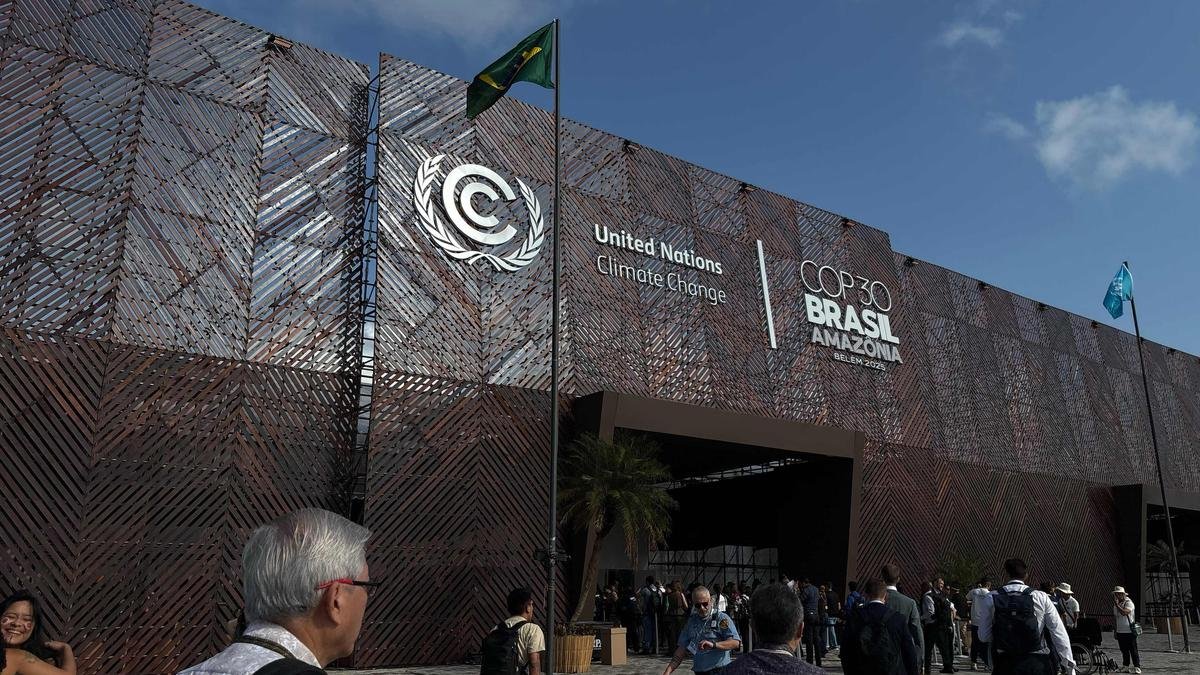
- International agreements such as global climate summits
- National policies on emissions and energy
- Regional cooperation and carbon markets
- Local initiatives focused on sustainability and adaptation
These layers are interconnected, making coordination complex and sometimes slow.
Why Climate Action Often Becomes “Hop-On, Hop-Off”Many countries announce strong climate targets, but progress often slows due to several reasons:
1. Changing Political Priorities
Governments may shift focus toward short-term economic growth, inflation control, or energy security, especially during crises. Climate policies sometimes take a back seat when immediate challenges arise.
2. Economic Pressures
Transitioning to clean energy requires large investments in infrastructure, technology, and workforce training. Developing countries, in particular, face financial constraints that can delay implementation.
3. Energy Security Concerns
Global disruptions in fuel supply have led some nations to temporarily increase reliance on coal or other fossil fuels, even while maintaining long-term climate commitments.
4. Implementation Gaps
Setting targets is often easier than executing them. Administrative capacity, regulatory hurdles, and coordination problems can slow progress.
Progress That Cannot Be Ignored
Despite these challenges, climate governance has advanced in several areas:
- Rapid growth in renewable energy capacity
- Increasing adoption of electric vehicles
- Expansion of carbon markets and emissions reporting
- Greater corporate participation in sustainability goals
Many countries are also developing long-term net-zero strategies, indicating that climate action remains a global priority.
The Role of International Cooperation
Climate change is a global issue, and no single country can solve it alone. International cooperation plays a key role in:
- Financing climate adaptation in vulnerable regions
- Sharing clean technology
- Coordinating emissions reduction targets
- Monitoring global progress
However, differences in national interests and economic capacities often slow negotiations and implementation.
Challenges Ahead for Climate Governance
Looking forward, several major challenges remain:
- Bridging the gap between climate pledges and actual emissions reductions
- Ensuring fair financing for developing countries
- Balancing economic growth with sustainability
- Strengthening accountability and transparency
Without stronger coordination, the gap between commitments and action may continue to widen.
Why Consistency Matters
Climate change is a long-term challenge that requires stable and sustained policies. Frequent changes or delays can:
- Discourage investment in clean energy
- Slow technological innovation
- Increase long-term environmental and economic costs
A consistent approach helps build confidence among businesses, investors, and citizens.
Conclusion
The current state of climate governance reflects both progress and uncertainty. Governments are increasingly aware of the urgency of climate change, yet implementation often follows a “hop-on, hop-off” pattern shaped by political, economic, and social pressures.
Achieving meaningful climate progress will depend on stronger global cooperation, long-term policy consistency, and sustained investment in clean technologies.