




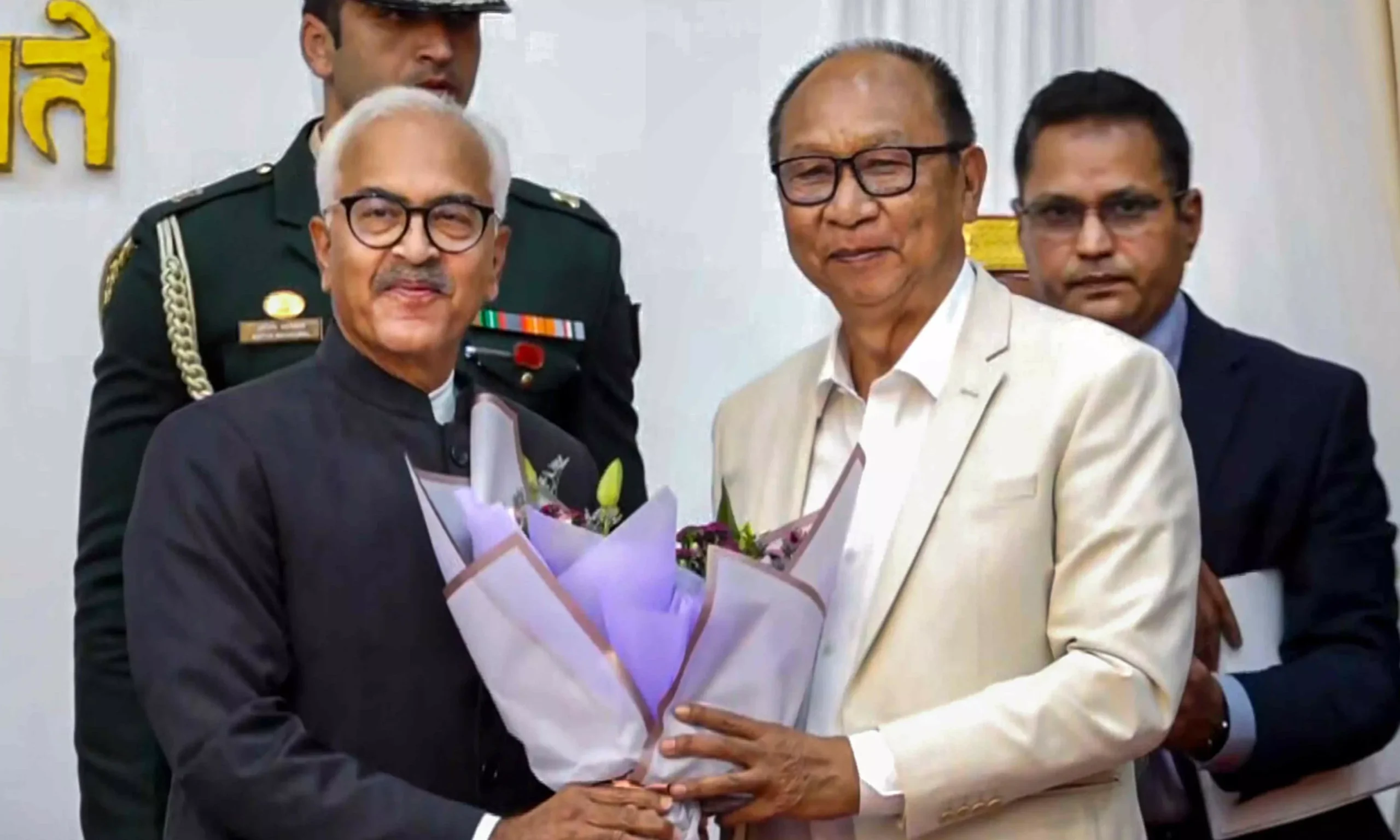
Manipur has witnessed a major political transition with the appointment of Y. Khemchand Singh as the Chief Minister following the end of President’s Rule. The leadership change comes at a crucial time, as the state continues to recover from ethnic tensions and political instability that have affected governance and social harmony.
Background: Political Instability and President’s Rule
Manipur had been under President’s Rule for nearly a year, imposed after the resignation of the previous government amid criticism over the handling of ethnic violence and unrest. The revocation of President’s Rule and the formation of a new government mark an important step toward restoring democratic governance in the state.
The crisis in Manipur has been deeply linked to ethnic conflict and displacement, with thousands of people affected and reconciliation efforts still ongoing.
Who Is Y. Khemchand Singh?
Yumnam Khemchand Singh is a senior political leader who has served in various roles, including Speaker of the Manipur Legislative Assembly and cabinet minister, before taking oath as the 13th Chief Minister of Manipur on 4 February 2026.
His outreach initiatives, including visits to affected communities, have been seen as attempts to bridge divides and promote reconciliation in the state.
A Government Built on Inclusiveness
One of the notable aspects of the new administration is the representation of different ethnic groups in leadership. Deputy Chief Ministers have been appointed from both Kuki and Naga communities, a move widely interpreted as an effort to promote inclusive governance and reduce tensions.
Political observers see this power-sharing arrangement as a step toward rebuilding trust in a state marked by complex social divisions.
Challenges Before the New Government
Despite the leadership change, several challenges remain:
- Rehabilitating displaced families
- Restoring law and order in sensitive areas
- Rebuilding trust between communities
- Reviving economic activity and infrastructure
Reports indicate that while security measures during President’s Rule helped curb some militant activity, large-scale rehabilitation and reconciliation remain incomplete, highlighting the long road ahead.
The Significance of “Joining Hands”
The phrase “joining hands” reflects the need for political unity, community reconciliation, and cooperative governance in Manipur. The new administration’s success will largely depend on its ability to bring together diverse groups and address longstanding grievances.
Leadership changes alone cannot resolve deep-rooted conflicts, but they can provide an opportunity to reset policies, rebuild dialogue, and restore public confidence.
Conclusion
The appointment of Y. Khemchand Singh marks a new political chapter in Manipur. While the restoration of an elected government is a positive step, the real test lies in achieving peace, rebuilding communities, and ensuring stable governance.
If inclusive leadership and reconciliation efforts continue, the new administration may help Manipur move toward long-term stability and development.